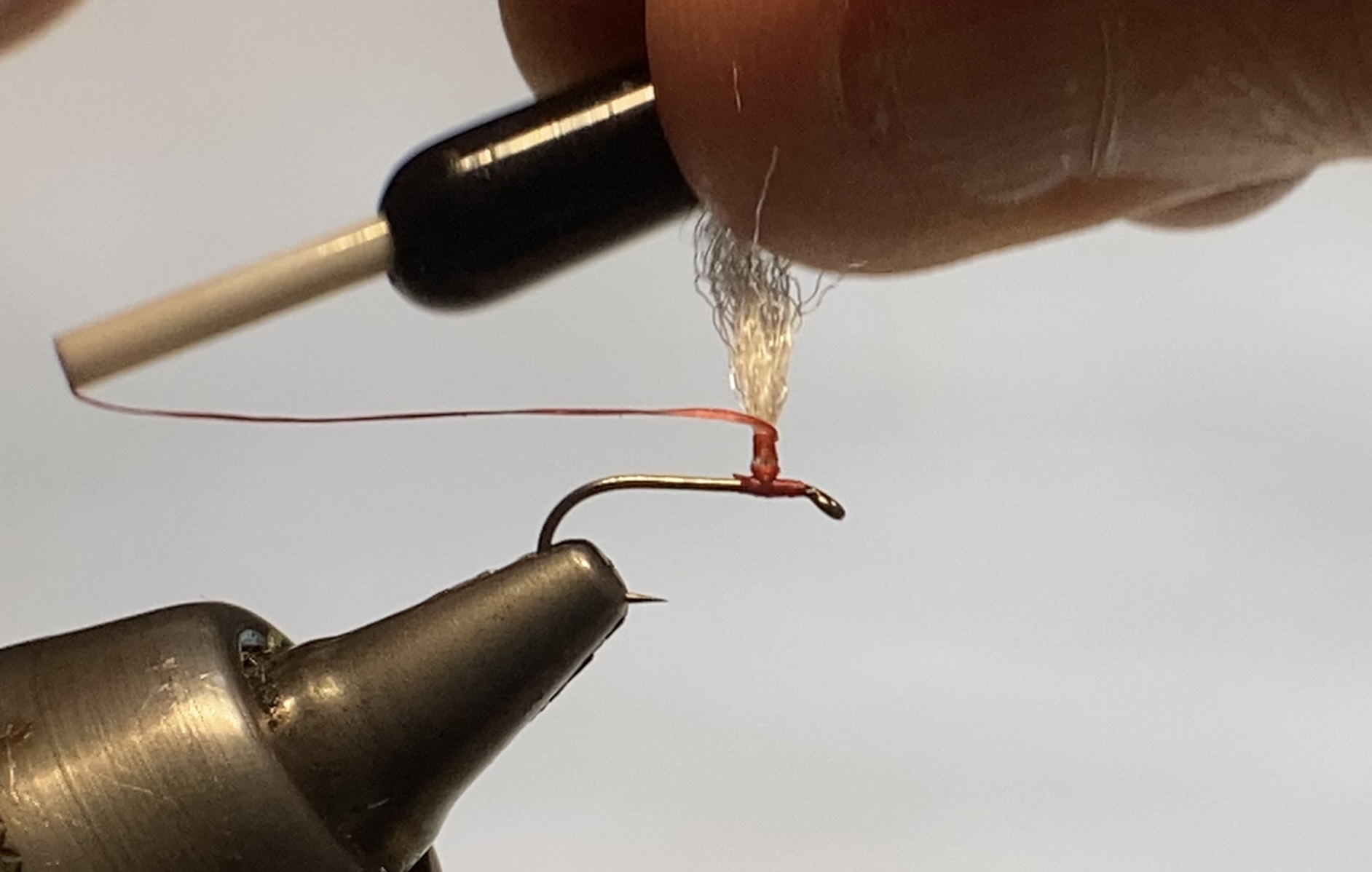
Archive of previous dressings and meetings notes
Content from branch members and external demonstrators.
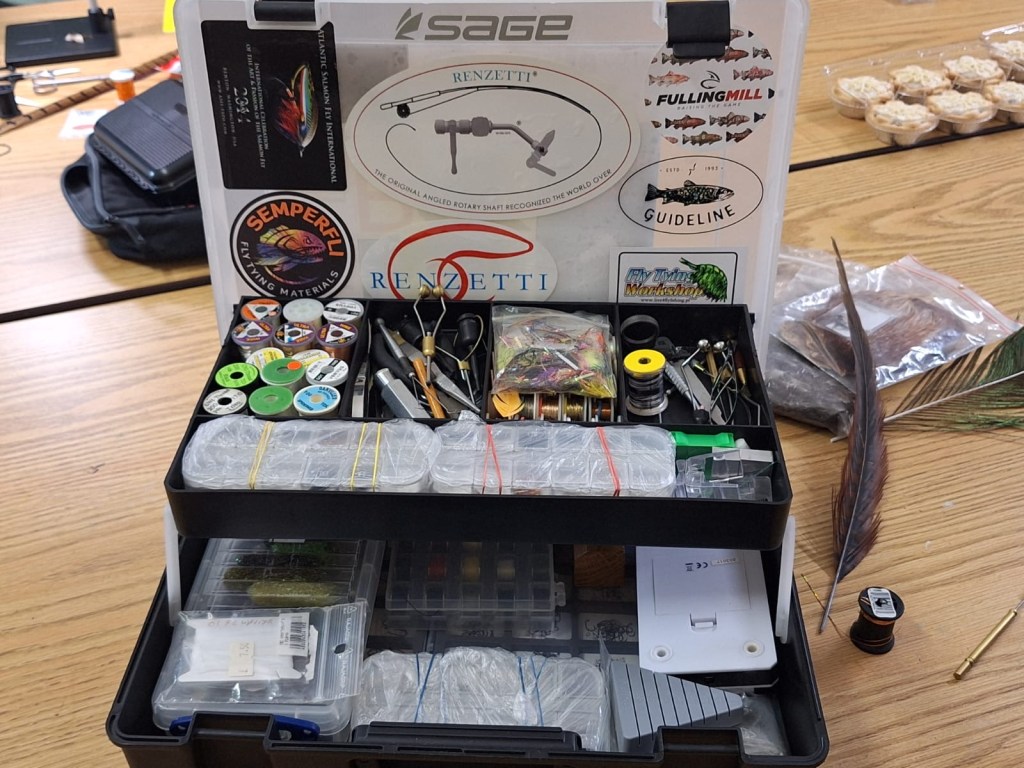
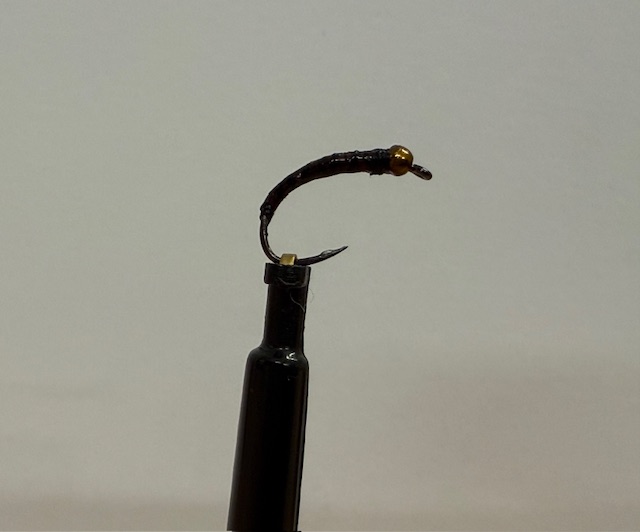
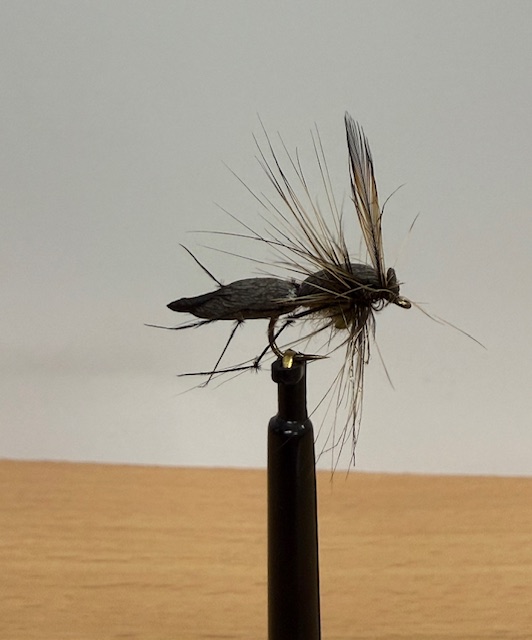
Branch Meeting, Tuesday 16th December 2025. Branch Annual Nigel Rodgers Fly Tying Competition sponsored by Semperfli
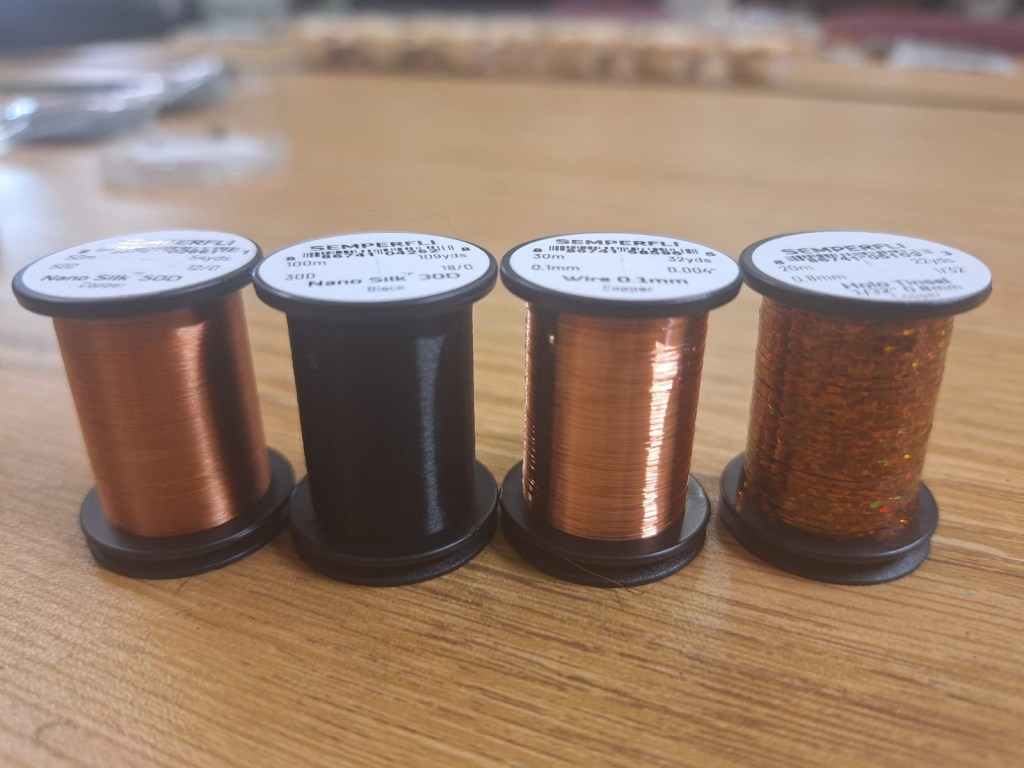
There was a new format this year, with two patterns to be tied on the night and the results judged by our very own Les Lockey who was kind enough to offer his services as judge for the night. The selected flies were the Summer Bibio and the Copper Cruncher (both from branch member Les Lockey’s successful ‘Fly for…’ series). The materials for the flies and generous prizes were provided by Semperfli, so many thanks to both Les and Semperfli for their support.
There were seven entrants as well as several folk who just came to catch up with old friends and share a piece of cake and a biscuit.
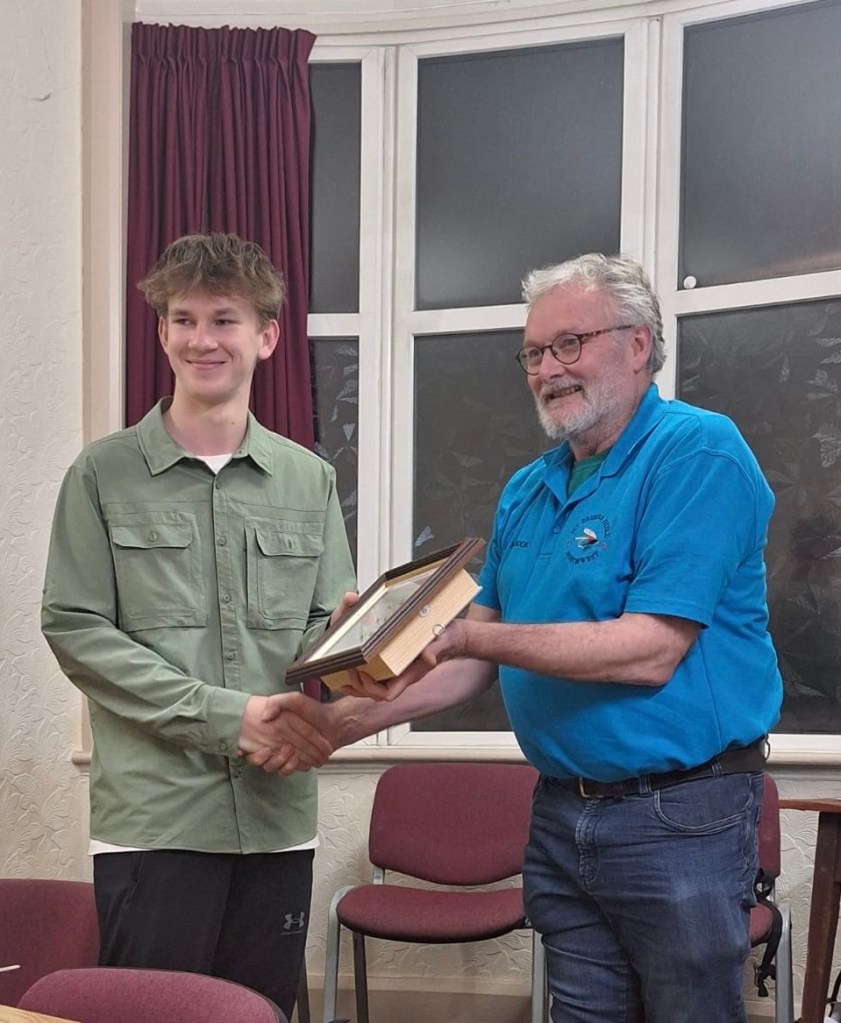
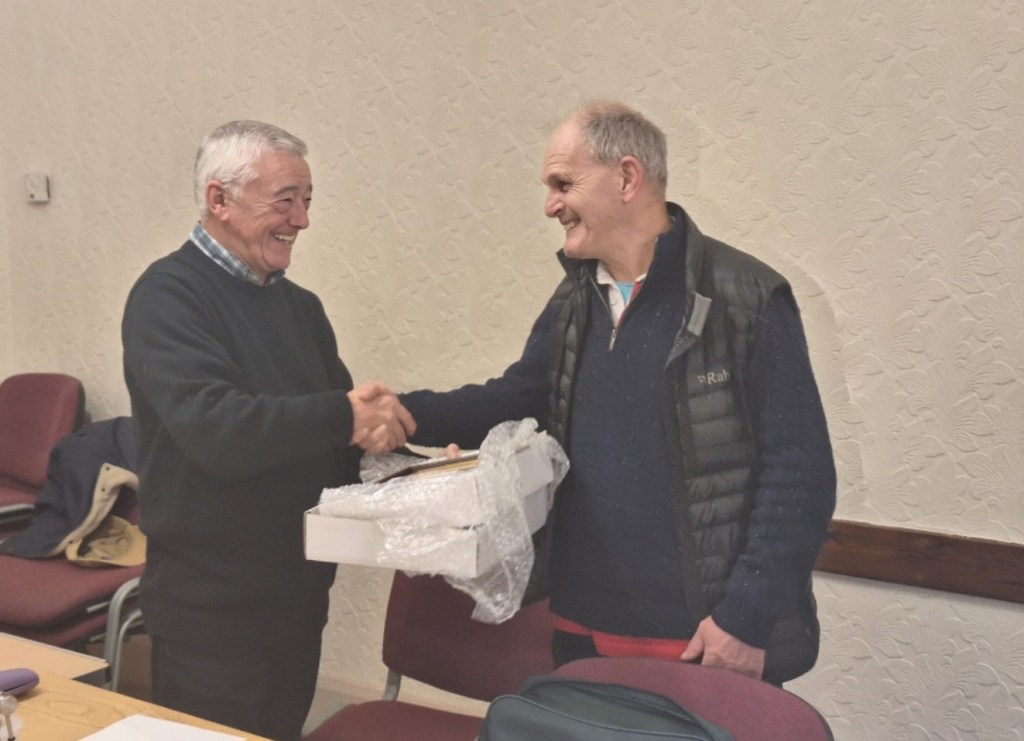
Our chairman Ian was pleased to present Alex with the Nigel Roger’s trophy and a fifty pound Semperfli voucher. There were Semperfli vouchers for second and third placed entries too, so if you didn’t enter this year perhaps you might consider doing so in 2026.
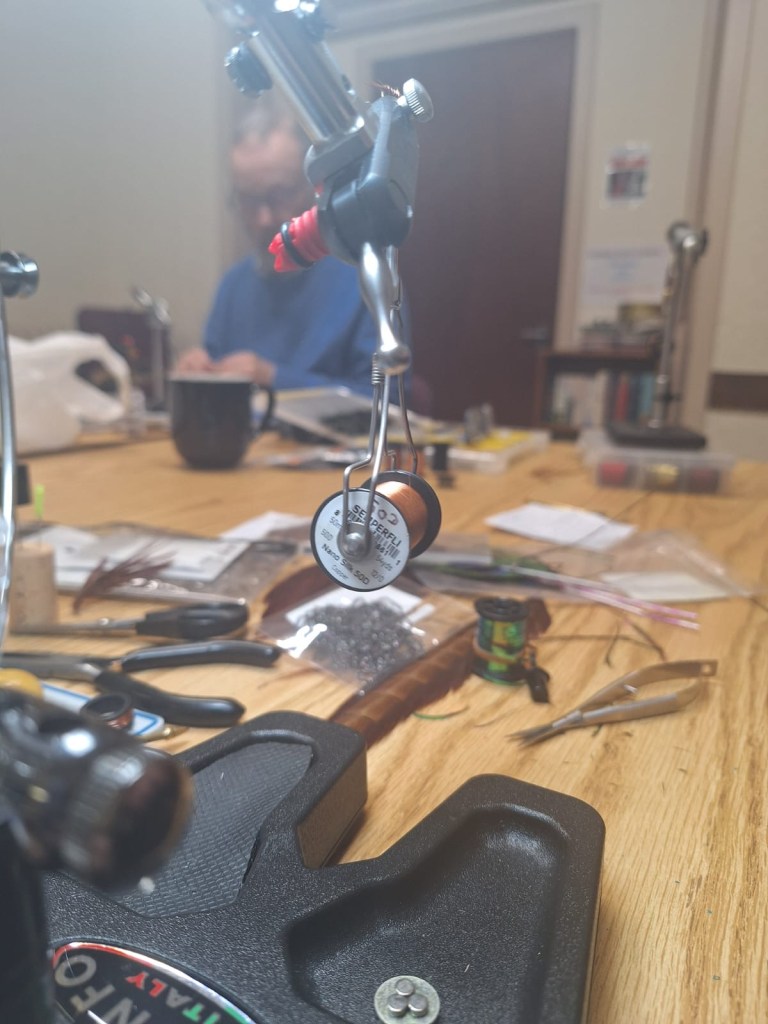
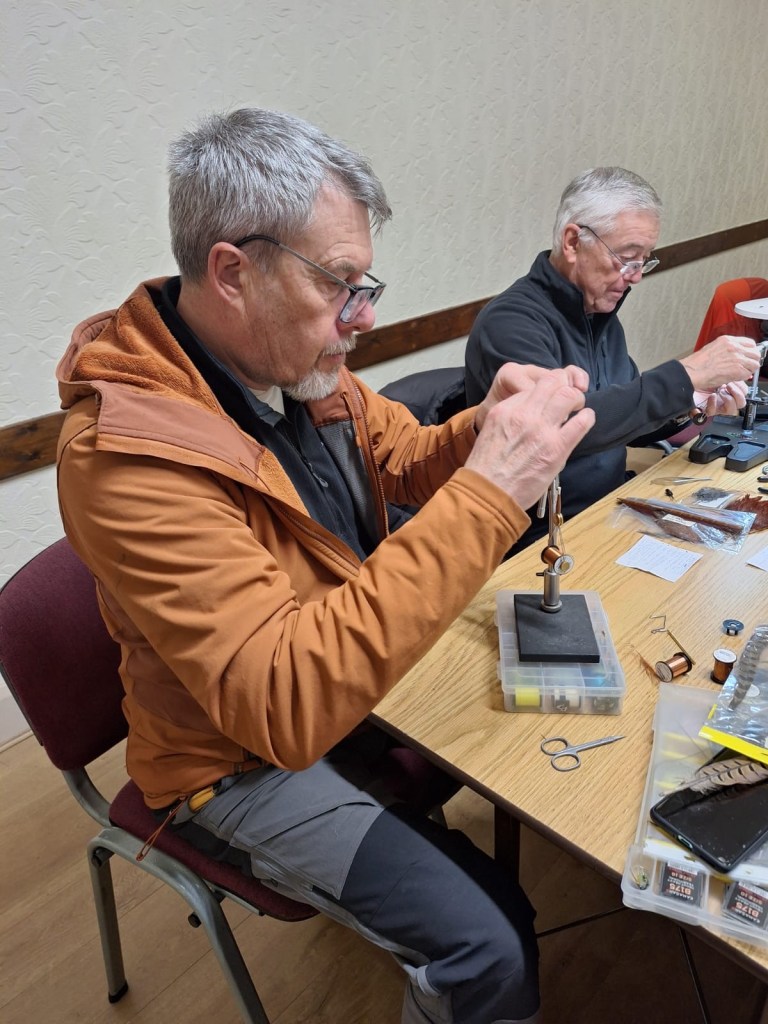
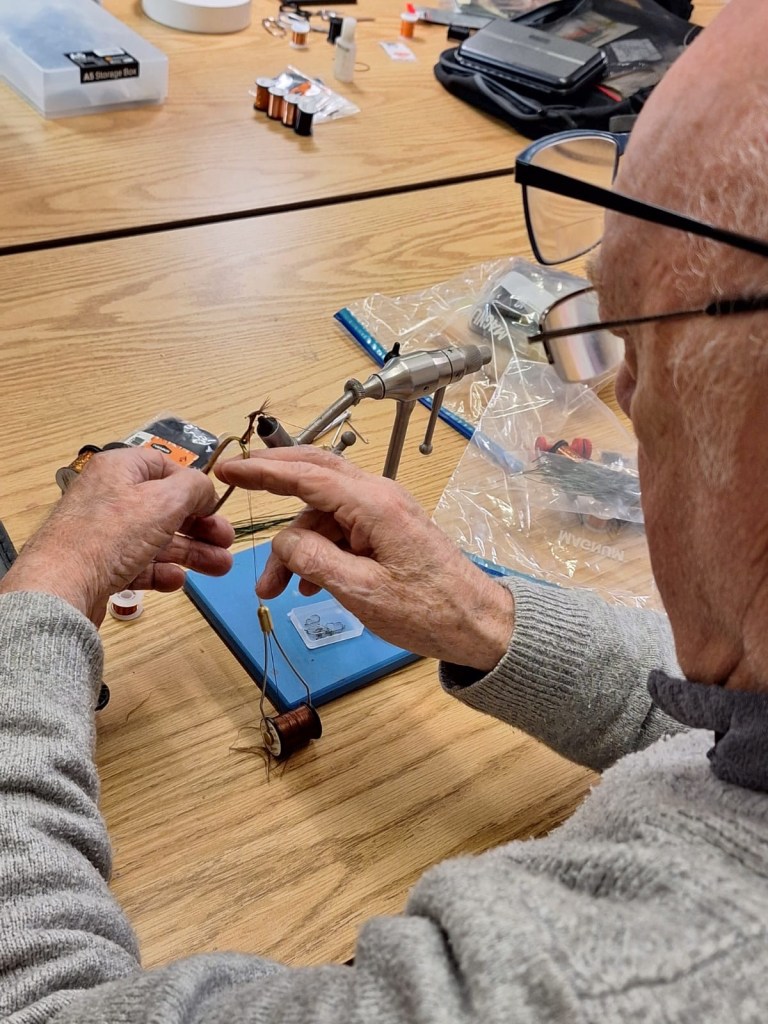
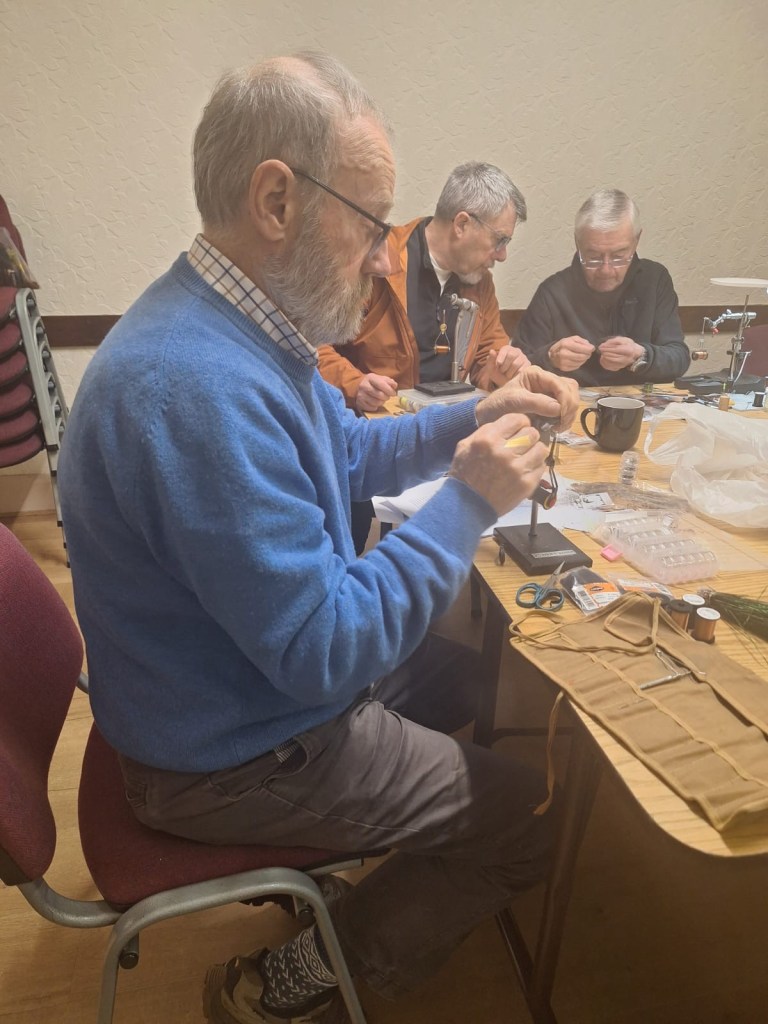
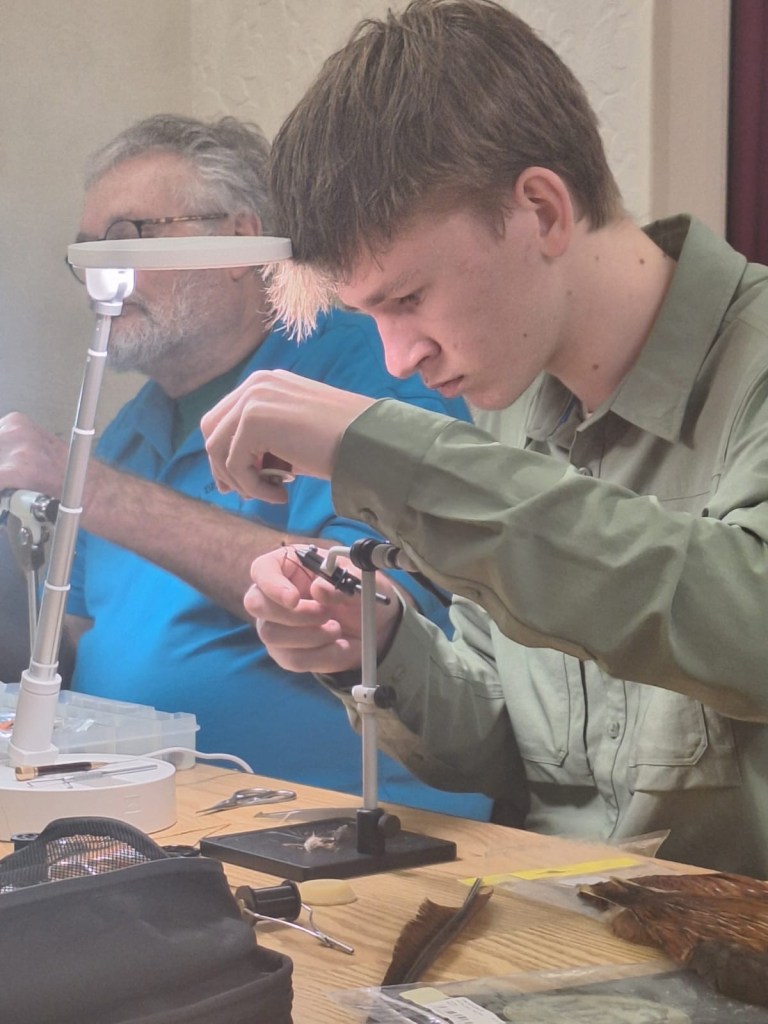
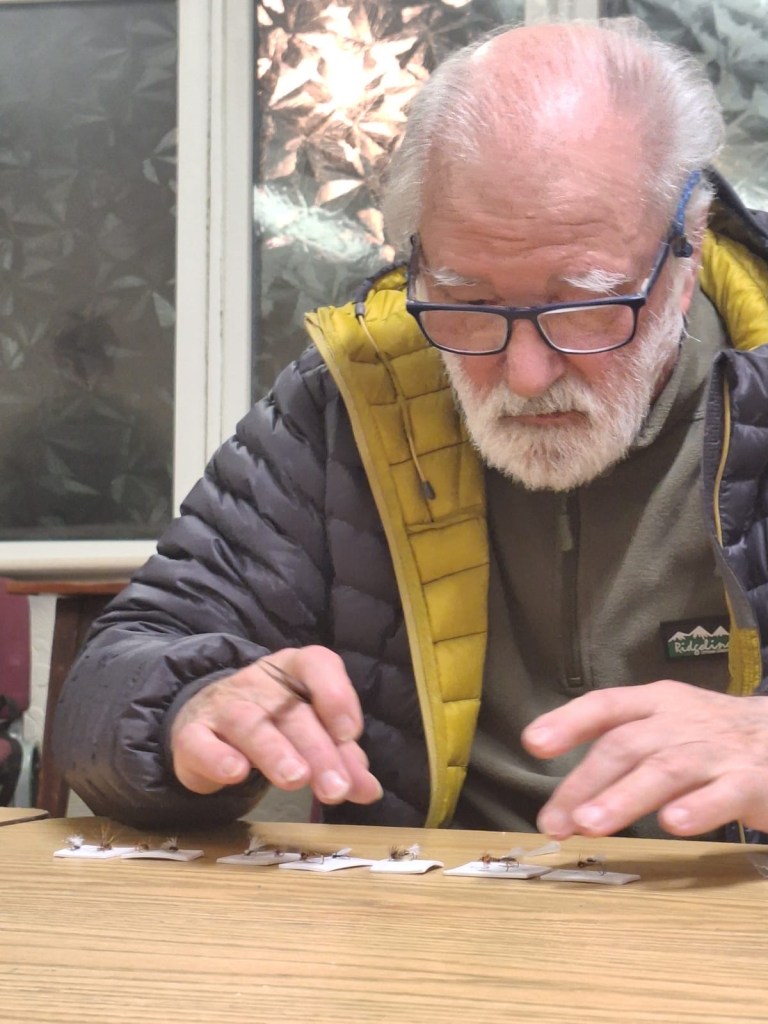
As you can see from the photos the tying was taken very seriously and when all flies were complete Les took all the entered flies which were labelled anonymously and gave each entry a close inspection. In the end there was a clear winner, well tied, well proportioned and deemed worthy of a place in anyone’s fly box. These had been tied by our newest and youngest member Alex, which was a tremendous achievement, so well done Alex! It is immensely encouraging to see young people taking up and excelling at fly tying.
Branch Meeting, Tuesday 18th November 2025. Fly Tying Demonstration – Louis Noble
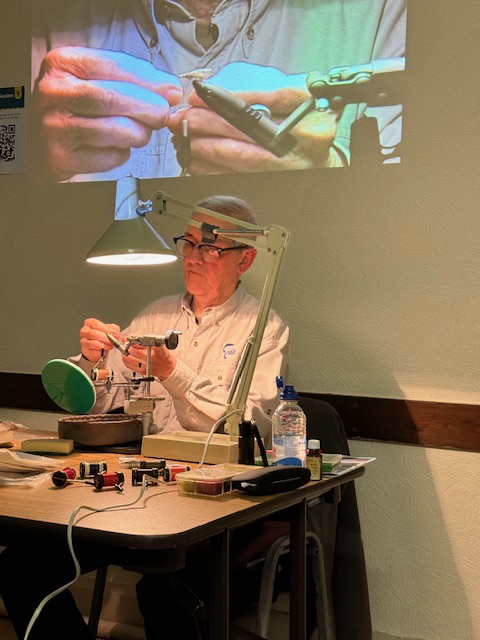
This month we welcomed the well known Writer, GAIA Instructor and Fisherman, Louis Noble. Long term members will remember Louis from a previous visit packed with info many years ago. It was an evening full of interest, ideas and chat, for Pro’s and Novice alike.

Louis started the evening tying a Goran Sedge pattern with a Rabbit fur body, a wing consisting of 2 CDC feathers and a Mallard Breast Feather over wing.
It was finished with a CDC hackle. An interesting pattern that looks very buggy and floatable.
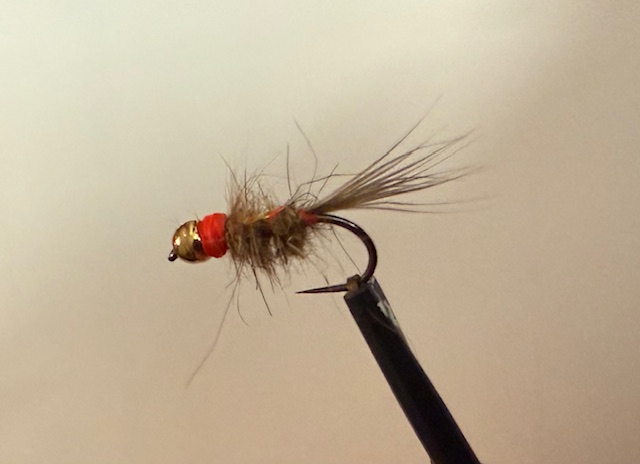
His second fly was a Nymph that he called The Secret Nymph. One he was sworn to secrecy about many years ago.
This was tied with a Hot Orange thread that was also used as a rib and had a Gold Bead Head, Hairs Ear dubbing, a strip of Holographic Mylar over the back and then ribbed.
The fly was finished with a bright Orange collar tied with the Orange thread.
Great claims made for this fly.

Next was an unusual Spinner that incorporated fluorescent material.
Louis also talked about his methods of blending materials and threads adding a subtle touch of Fluorescence to the fly ( Flies ) A subject on its own…
The body of the spinner was tied with Fluorescent thread, Cock Hackle Tail and he used two Feather Tips for the wings, ending with a Hen Hackle at the head of the fly.

The final fly was a pattern called The Grayling Steel Blue.
A Palmered style fly, tied with Orange thread, a Silver and Orange Tag, Peacock Sword body and Palmered with a Blue Dun Hackle, tied in with a fine wire.
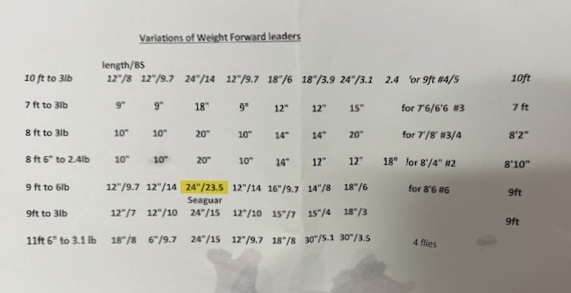
Louis also gave a talk and demo of his ideas for an unusual Leader and Tippet set up, with a profile starting with a fine or low breaking strain, gradually rising in breaking strain segments to the middle of the leader, then going down again in breaking strain to the tip. Turn over is apparently amazing.
A guide to the set up and sizes below:
A neat trick was also demonstrated, to sink the first few inches of the tippet, with a small hook eye tied to a dropper about an inch long.
A great evening all told and a pleasure to listen to one of the greats in our game.
Thanks as always to Alan for providing refreshments.
Branch Meeting, Tuesday 21st October 2025. Fly Tying Demonstration – Phillipa Hake.
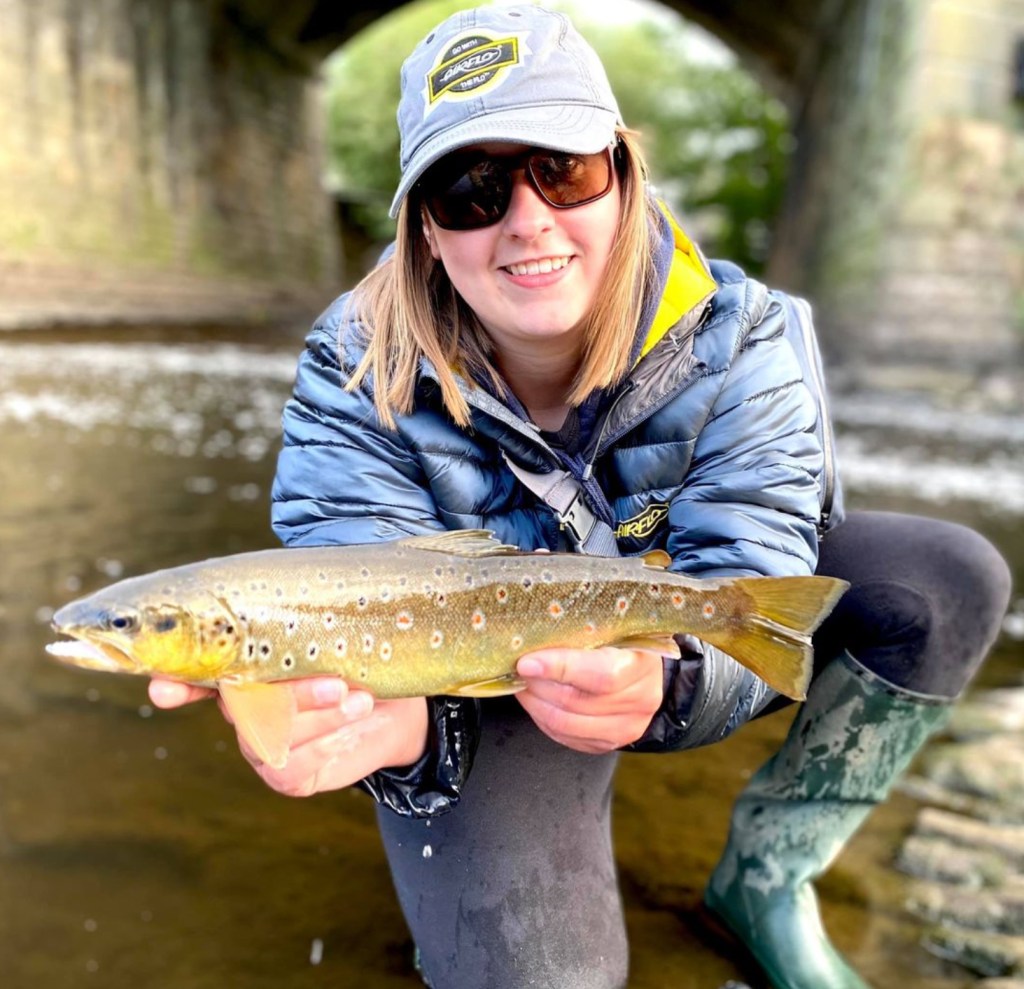
On Tuesday 21 October we were pleased to welcome Pippa Hake from her home in Yorkshire as a speaker at our branch meeting. She started tying about 13/14 years ago when she was very young and is now pro tyer for Semperfli and regularly ties at the BFFI and other venues both in the UK and abroad. We had 20 people at the meeting, one of biggest turn outs this year! She tied a selection of mostly grayling flies (that do work for trout too) and brought a selection of materials for us to buy from the Semperfli range.
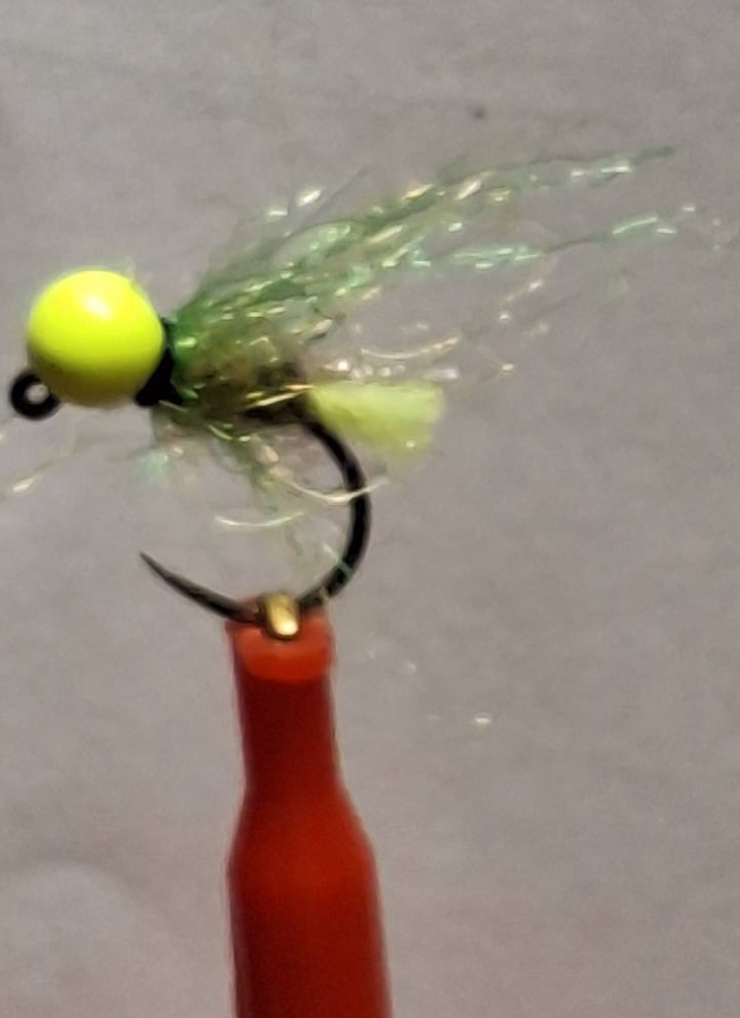
Yellow tag nymph ‘thing’ or a hot head beaded nymph
Hook partridge wide gap jig size 14
Yellow fluorescent bead 3.8mm
Tan straggle legs and dirty bug yarn (one of Pippa’s favourite materials) mixed together to give a really buggy body. The dirty bug yarn can be split into 2 strands (great cost saving technique favoured by Yorkshire folk). She uses a dubbing brush to further enhance the bugginess.
Scud dubbing (or hare’s ear or anything scruffy). Draw the fibres back with each turn. And whip finish.

Czech nymph beaded grub/Caddis grub pupa
Fulling Mill size 14 Czech nymph hook
3.3 mm bead. Secure the lead wire in place.
Wire 0.2 silver
3mm scudback in olive (or black) trimmed at an angle
Add in a hotspot – a tiny pinch of Kapok fusion dubbing red/orange something with a bit of shimmer gets tied in the middle
Take a dubbing brush to tease the fibres underneath (to look like shrimp legs)
Bring the scudback (latex material which stays in place well)
Bring the rib up in a zig zag fashion. Finish with a bit of dubbing that is buggy, leggy, flashy. Bit like a caddis pupa. Whip finish.

3.8mm bead silver
Thread 12.0 orange
Tail coq de leon. More robust than other feathers. Don’t break as easily.
Medium olive micro glint rib
Thorax ice dubbing in black or any other colour as a hot spot. Whip finish.
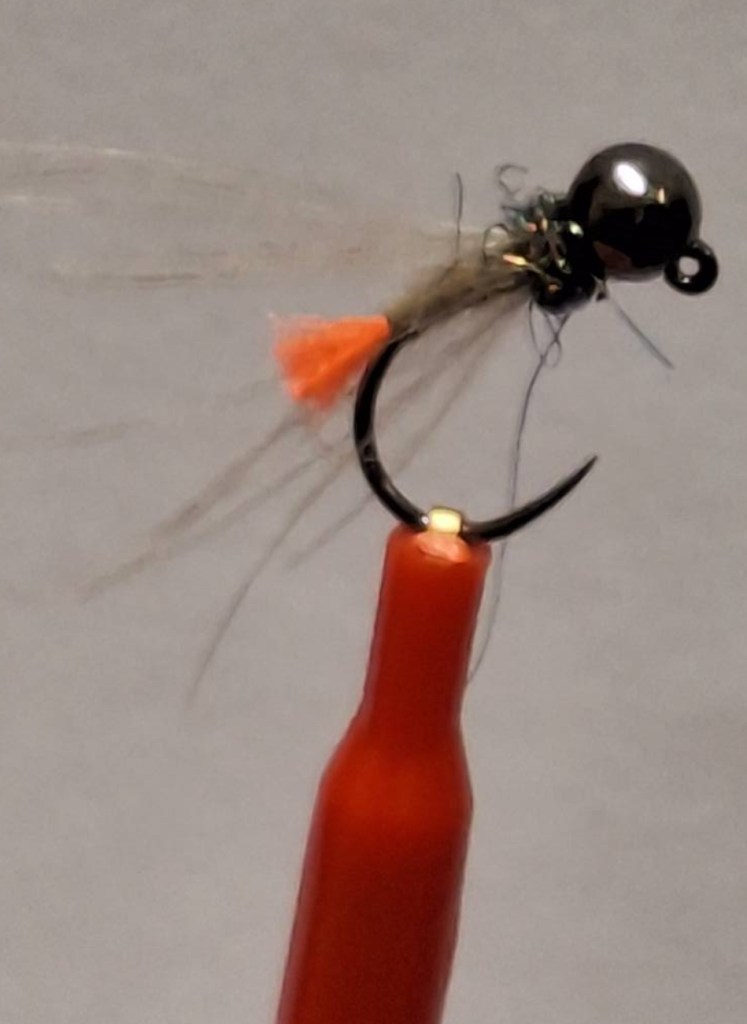
Red tag jig (could use pink as well for grayling)
Partridge size 14
New floss glo brite take a length fold it in half and chop it then fold in half again so that you have four pieces. Wet it to merge the lengths together.
3.8mm bead
CDC from Lathkill for body and hackle. Once at the thorax area, start pulling the fibres back
Ice dubbing copper colour.

Perdigon nymph – popular competition fish
Wide gape size 16 hook
3mm copper bead
Coq de Leon tail
Clear Perfect quills. Clear means that can us any colour thread underneath. Make a collar with the thread. Whip finish.
Dab of UV resin, turn the vice to evenly spread the resin down the length of the body. A zap of UV (15 sec). Alternatively leave on a bright windowsill to set.
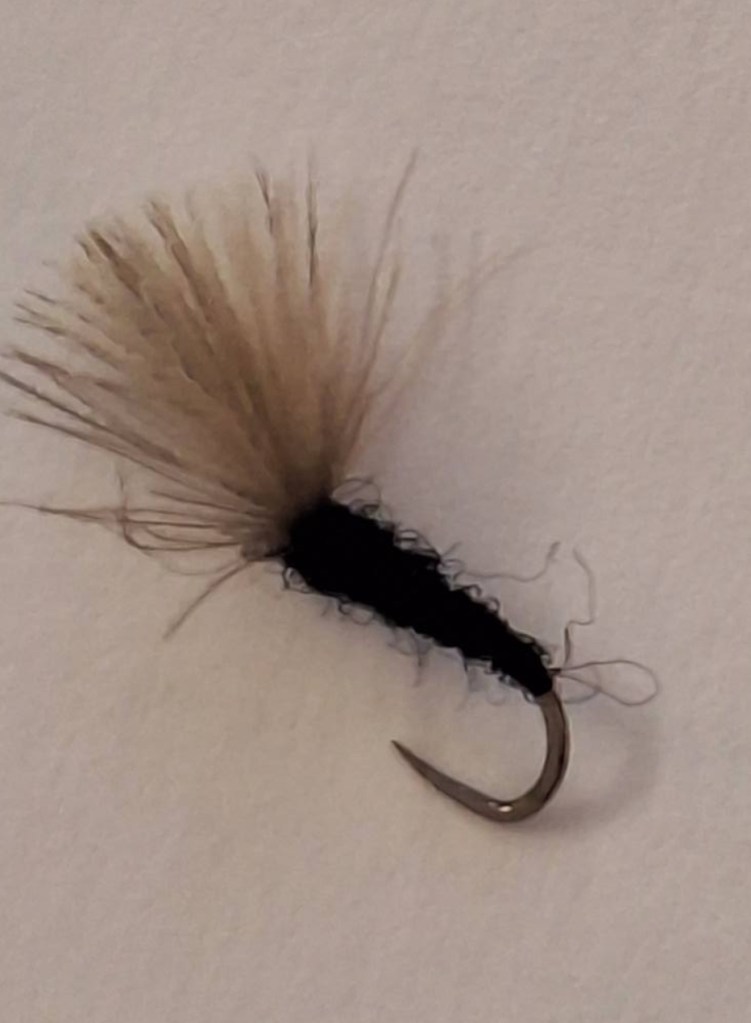
CdC Emerger
Using a lightweight hook run on black thread from behind the eye to just beyond the bend.
Lay three CdC feathers on top of each other, taking care to align the curves, then bunch them up and with a couple of loose turns of thread tie them to the top of the hook a mm or two behind the hook eye. Make a thread dam in front of the CdC to lift them up a little.
Trim the rearward facing butt ends of the CdC to help form a nice taper to the body, and after spinning the bobbin anti-clockwise to flatten the thread, run it down to the bend of the hook. Using a Superfine dubbing, or similar, colour to match the hatch, wind a slim dubbed body and tie off in the normal way.
Branch Meeting, Tuesday 16th September 2025. Fly Tying Demonstration – Karl Humphries M.B.E., lake flies and variants.

It’s been a few years since we’ve had the pleasure of welcoming Karl Humphries to the branch, there was a good turnout on the night complimented by a few guests as well.

Karl covered a range of flies for lake and river and gave tips for tying and fishing the flies tied. A great tip which he regularly uses when whip finishing spiders is to rotate the vice 90 degrees so that the hook is in the horizontal plane. This allows the hook eye to act a shoulder that prevents the whip finish from slipping over the down slope, so that a neat compact head can be formed. This is particularly useful for tying spiders but can be applied to most flies where head space might be an issue.
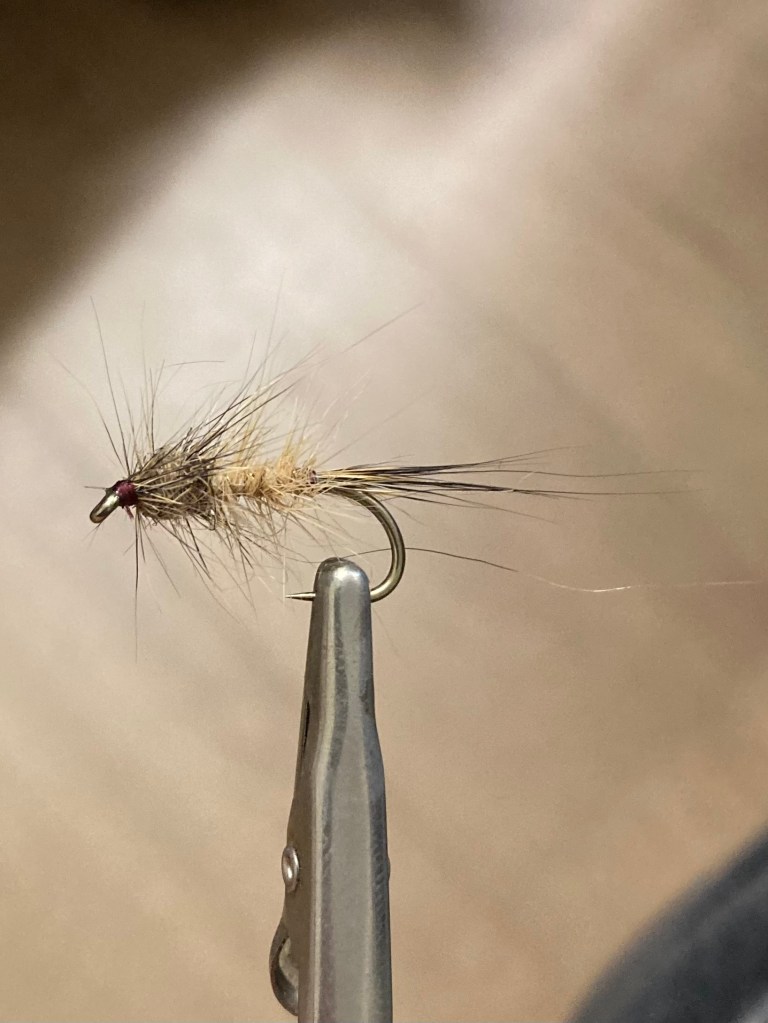
Red fox squirrel nymph.
Karl mentioned an occasion on the River Lathkill, part of the Duke of Rutland’s former water, where an 8.5lb fish (colloquially known as George) would take nothing presented to it, until this fly ultimately brought it to the net.
An American version of a hare’s ear (can be weighted), tied on a size 12 longshank hook. The pattern uses red fox squirrel where a few guard hairs are used for the tail tied in to a taper using a pinch and loop technique to stop them rolling round the hook. Adding some varnish will also help stop it ‘rolling’ around. Uses Burgundy thread (chocolate brown) and a Gold wire rib. The flank of the skin is a lovely golden colour and Karl used his fingers to mash it about before dubbing. Use cheap scissors to cut the wire.
A darker thorax uses the main hair from the skin. Build it up slowly. Use guard hairs rather than the under fur. Apply a dab of varnish to finish.
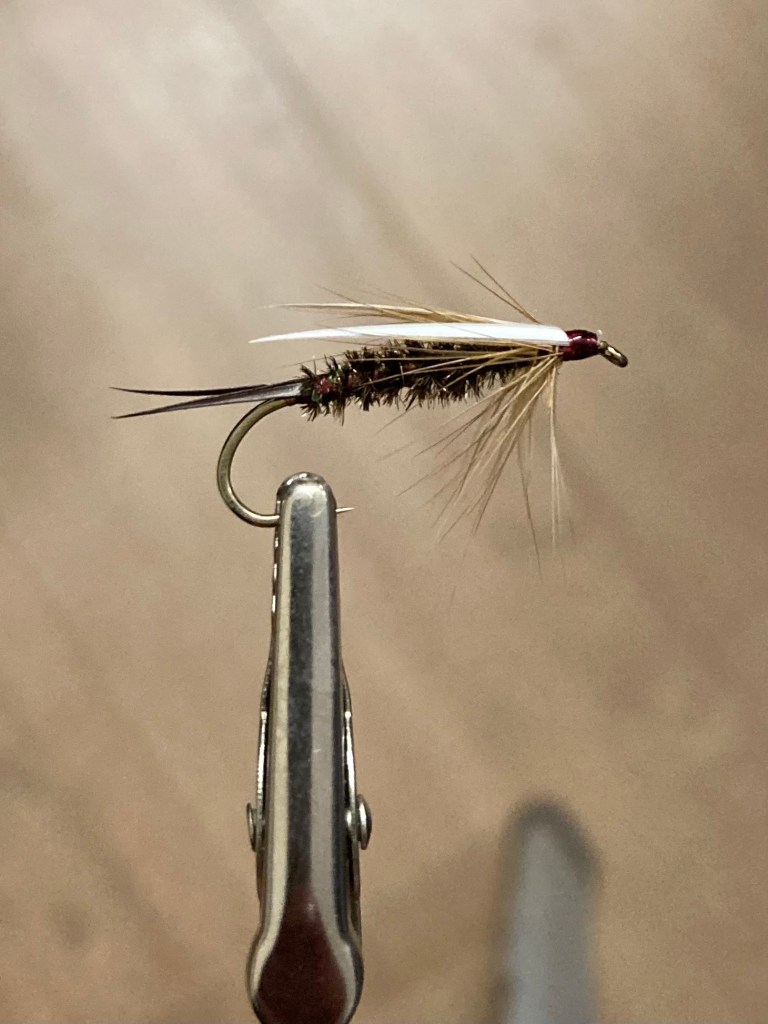
Prince Nymph (can be weighted)
Tied on a longshank size 10, Karl used burgundy thread with Goose biots tied in to form the tail. Make a ‘ball’ at the end of the hook with the thread which should help the biots splay.
Tie in some fine mylar rib and 4 peacock herls to form the body, leaving space for a hackle. Soft ginger hackle is tied in with 2 more biots tied over the body before a neat whip finish.
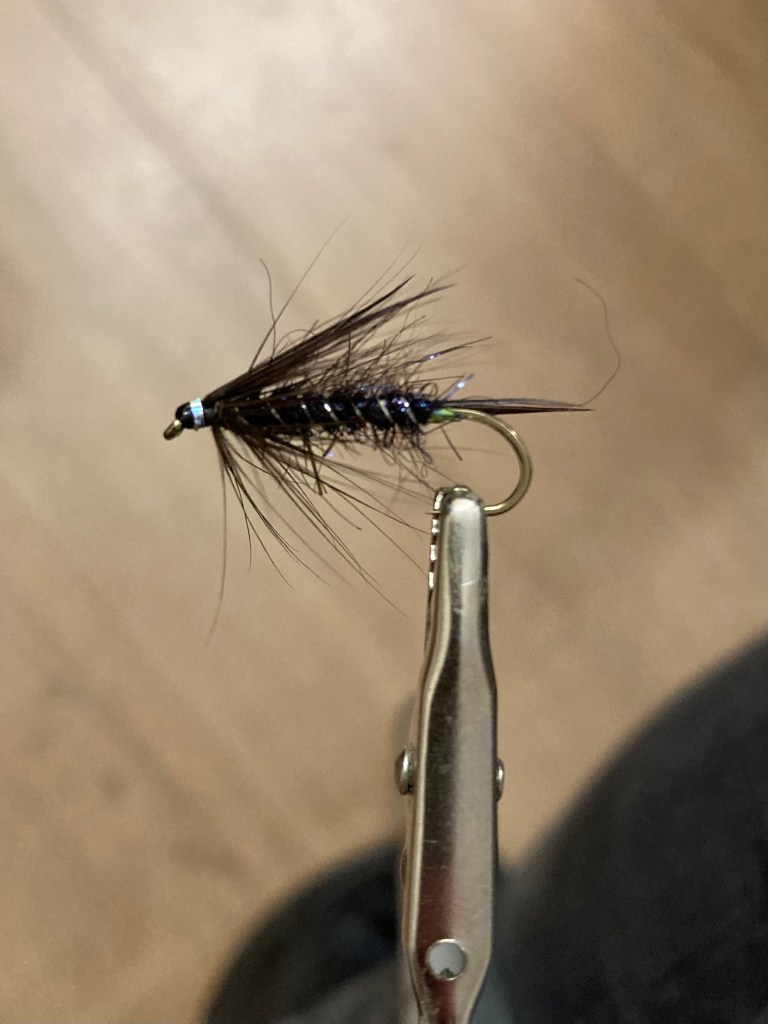
Prince Nymph Variant (similar fly, different materials)
Using black uni thread tied on a size 10 longshank hook, this is a very successful reservoir pattern on both bank and boat. Fish it on the point on a long leader.
Silver tinsel rib and instead of peacock herl, the dressing uses another dubbing which ideally needs to be straggly. A fine blend of seals fur and UV flash.
Use a fine cock hackle, doubled by teasing the fibres backwards on each turn. 2 more biots tied in on top. Holographic fine tinsel on top of the head forms a neat trigger point.
During the break Karl mentioned the charity he supports, Get Hooked On Fishing, which has been established for 26 years and seen around 62,000 kids accredited via 4 units throughout the country. Karl was awarded his MBE for his charity work, the year before covid for 45 years charitable work volunteering for angling for disadvantaged kids, and it was awarded to him by Prince William at Windsor Castle. In his typical humble and humorous self, he mentioned that when he got the letter he thought it was from the MEB (Midlands Electricity Board)! A raffle was held which the generous membership supported in full with proceeds going to GHOF. Karl also donated his nightly fee to GHOF.
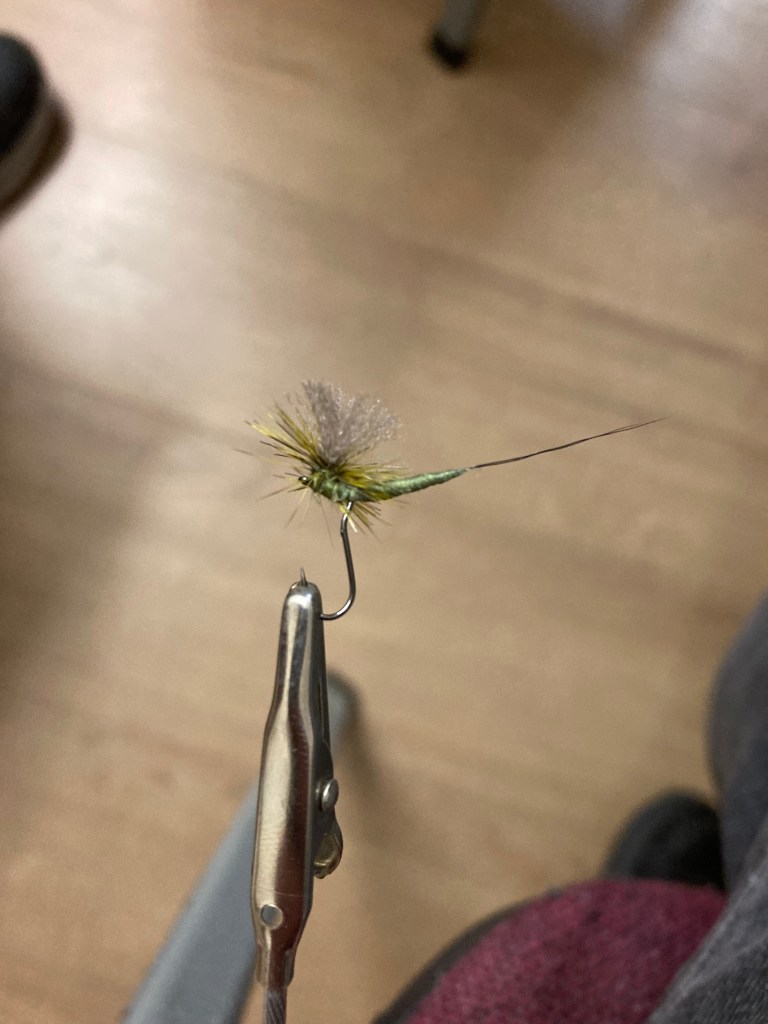
Umbrella hook dressing (these hooks are now quite rare)
A detached olive uses a pre made tube body with tails. Trim it down to size and use an Antron post (Grey poly yarn). Olive grizzle saddle hackle – choose a small thin tip to use as a hackle. Add a tiny bit of musk rat dubbing. Snip off the post squarely and neatly.

Bling Spider
Tied on a Daiichi hook,the dressing uses Black thread and fluoro orange glow brite for the body with a prismatic holographic fine tinsel head.
Red Superdubz adds lustre. Grouse feather as a hackle. No rib. A bit of varnish brightens it and protects it from the teeth of the fish.
This fly has been a very successful on the Welsh Dee. Grayling seem to like orange and red – perhaps because they eat salmon eggs which are a similar colour.

Trigger Spider:
Tied on a DaiIchi hook. Burgundy thread with a holographic tinsel tag, fine wire rib. Suber dub black body and a grouse hackle.

Crow spider:
Tied on a Size 10/12 the pattern using a crow feather body.
Black thread. Glow brite no 5 tag. Fine silver wire. Use hackle pliers to wind the crow feather herls forward to create a body – a delicate operation as it can easily break. Grouse feather hackle and a holographic tinsel for the head.
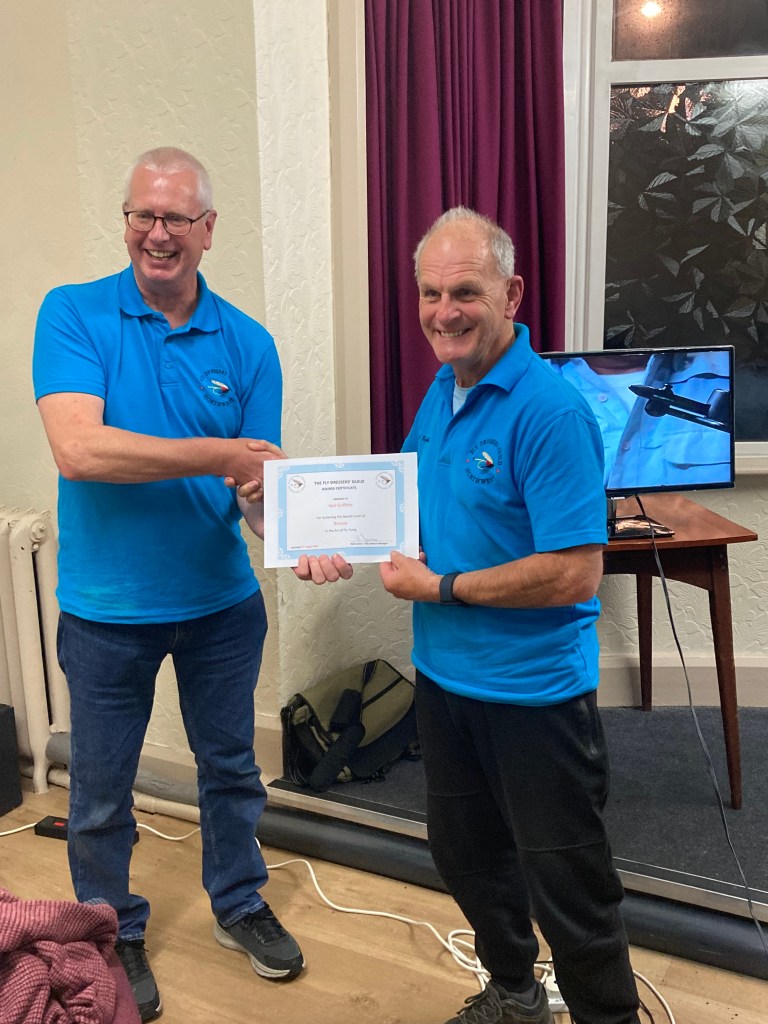
Bronze Award
Well done to Neil Griffiths who has achieved his Bronze guild award. Gary Kirk presented Neil with his certificate on the night.
NWFDG Demonstration Night 19th August 2025. Ian Crook ‘Surf to Loch’ part 4
Gary Kirk opened the meeting with the kind offer of mentoring anyone who wished to enter the Guild Bronze or Silver Award scheme. Please contact Gary for further details.
We have progressed up the river from the sea and are now at a stage with swift rocky pools and slow glides. The first fly is for the pocket water, not too deep but still with a good flow around rocks, so some weight is involved, to allow the fly to sink when cast behind rocks.

Nymph:
A 2.0mm tungsten bead on a nymph hook, green thread is run on and a Coq de Leone tail added. Fine silver wire for a rib and dubbing, cream with a touch of orange completes the body up to the thorax. Goose fibres for a thorax cover, and the thorax is the same dubbing as for the body. A couple of turns of cock hackle behind the bead, pull the thorax cover over and whip finish.
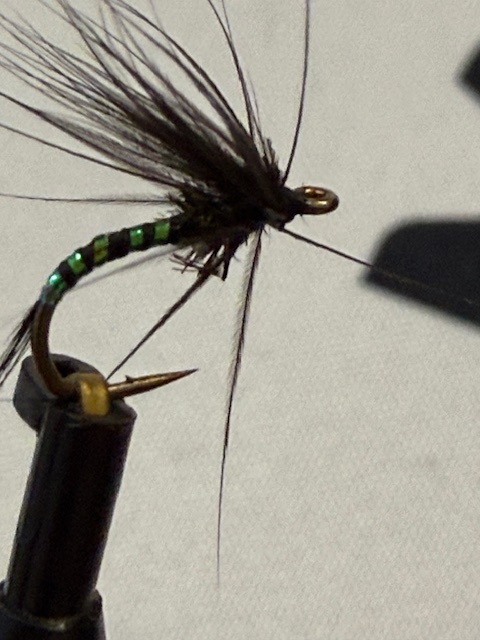
Spider:
#14 hook, run black thread to the point, then half way back. Tie in a black hackle at this point(it will be wound forward later), tie in some black cock hackle fibres for a tail and tie in around the bend of the hook, also tying in pearl tinsel at the same time. Wind the rib up to the thorax and tie off. Tie in a peacock herl, wind around the thread to strengthen it and form a thorax. Then do the same with the cock hackle and wind over the thorax in the style of a Stewart’s Spider.
This fly can be greased up and used in the surface film in slow glides.

Wet Fly:
#12 wet fly hook. Run black thread to the bend and tie in a fairly heavy bunch of Golden Pheasant tippet fibres, and gold wire for a rib. Form a carrot shaped body with orange/cream dubbing. Add a partridge hackle and a hen pheasant wing. This fly can be stripped like a lure after being cast slightly upstream and swung across and down, often in slow flows.
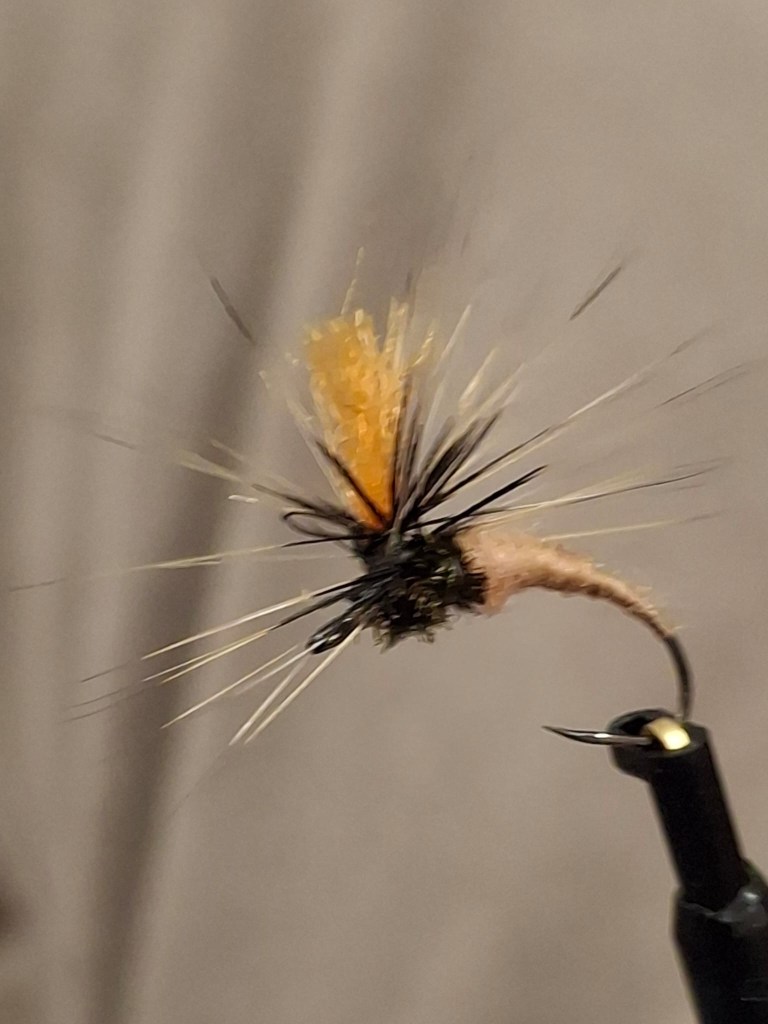
Klinkhammer:
#8 Klinkhamer hook. Run light olive thread level with the hook point, the halfway back towards the eye. Use a polypropylene post, the colour of your choice, tied in at this point and trimmed at an angle to produce a pleasing taper to the body. Tie the hackle in at the base of the post, in such a way that the shiny side will face downwards when wound on; this allows the fly to sit lower in the water. A rib is optional, but wind the thread well into the bend of the hook and dub a slim tapered body up to just short of the post. Tie in peacock herl here and make the thorax. Tie off at the eye. Next turn the hook through ninety degrees with the eye downwards and run on some thin white thread around the post and the previously tied in hackle. By winding this thread around both the post and the hackle, create a firm base for the hackle to be wound around. It is important to make this is as even as possible as unevenness will make winding the hackle more difficult. Wind the hackle, each turn below the previous one and stop when no more turns will fit neatly. Whip finish.

Daddy Long Legs:
Interesting tying concept with this Daddy, as the wings were constructed from Ironed Cling Film and the legs from knotted horse hair and a Fly Rite dubbed body.

Sedge:
This Sedge pattern has been tied with the popular CDC feathers, tied in at the eye and folded back to create a wing. Dubbed body and thorax. Treat the CDC with a water repellent like Mucilin or Loon Lochsa and it will float all day.
A good tip for floating dry flies is to give them a soak over night in Mucilin, then dry them out. Amazing how well it works.
NWFDG Demonstration Night 15th July 2025. Dapping flies by Ian Crook

Our club evening this month was a demonstration by Chairman Ian Crook of a series of flies that could be used for Dapping style of fishing.
Ian adapted flies in different ways and qualities to lend themselves to the dapping method, by sometimes using alternative materials and ideas. A few tricks were demonstrated along the way….
He started with the:
SOLDIER BEETLE ( Grenadier )
Followed by…
FLAT FOAM DADDY ( Black )
BLACK SPIDER
LOCH FLY ( Called Leonard )
PARTRIDGE AND ORANGE ( Made with Chickabou & Partridge )
OLIVE DUN
BEAD HEAD BUZZER ( Tungsten )
WINGED DADDY.
An interesting night of dialogue, a modicum of duplicity from the Chairman demonstrator and coffee, supplied by our on site caterer Alan.

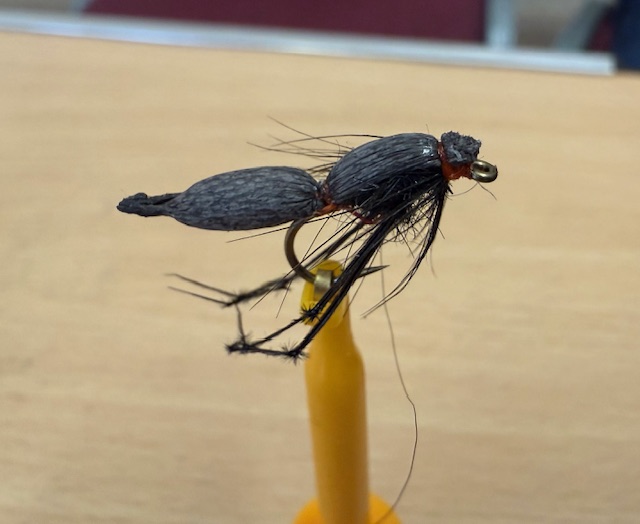


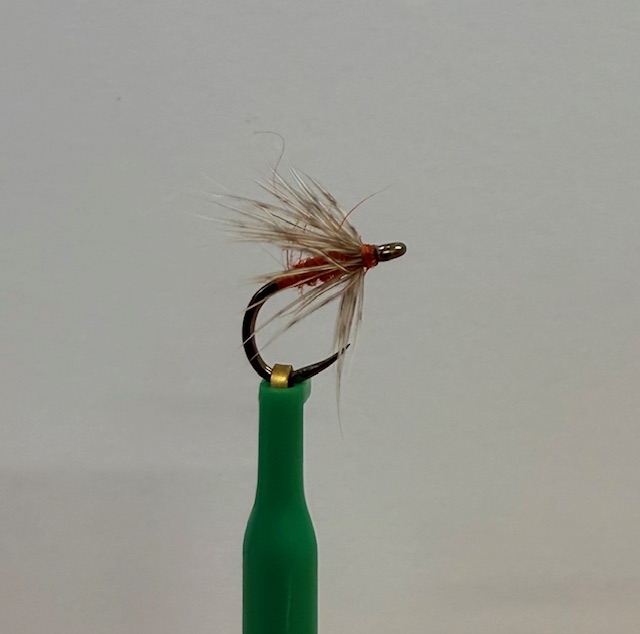
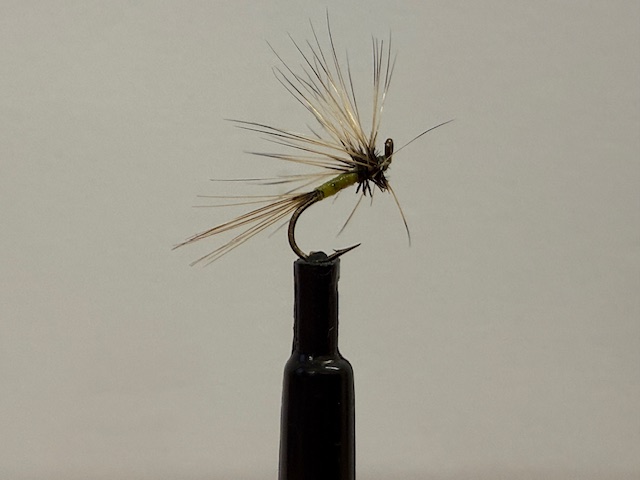
Casting evening at Peover Hall Tuesday 8 July
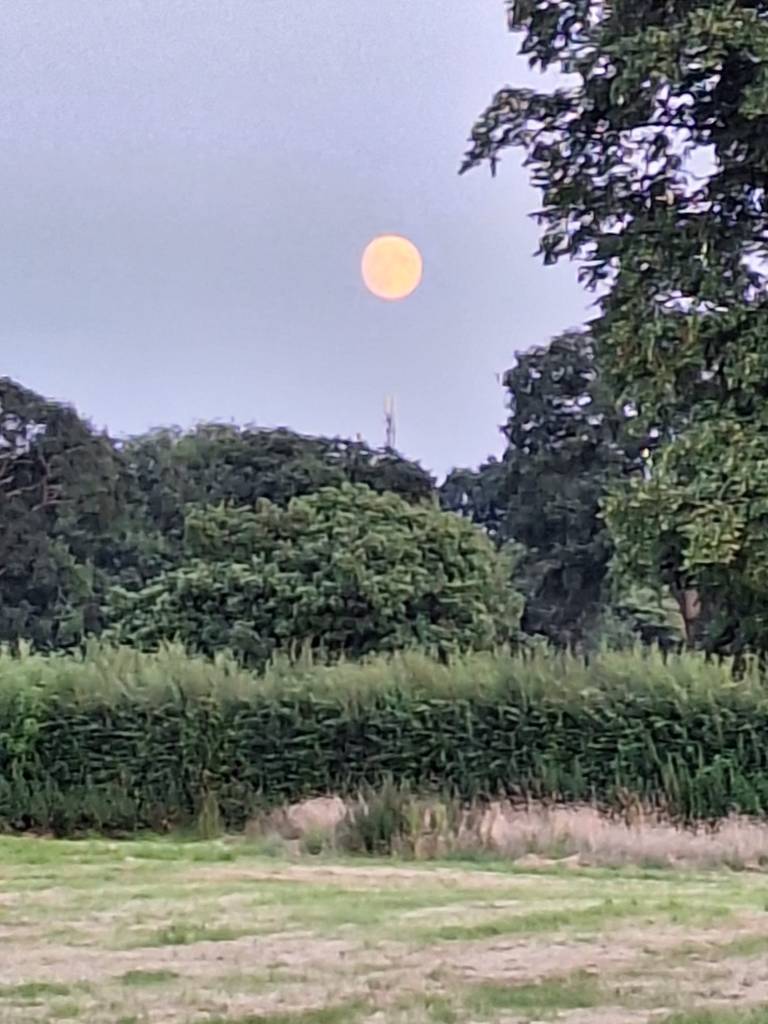
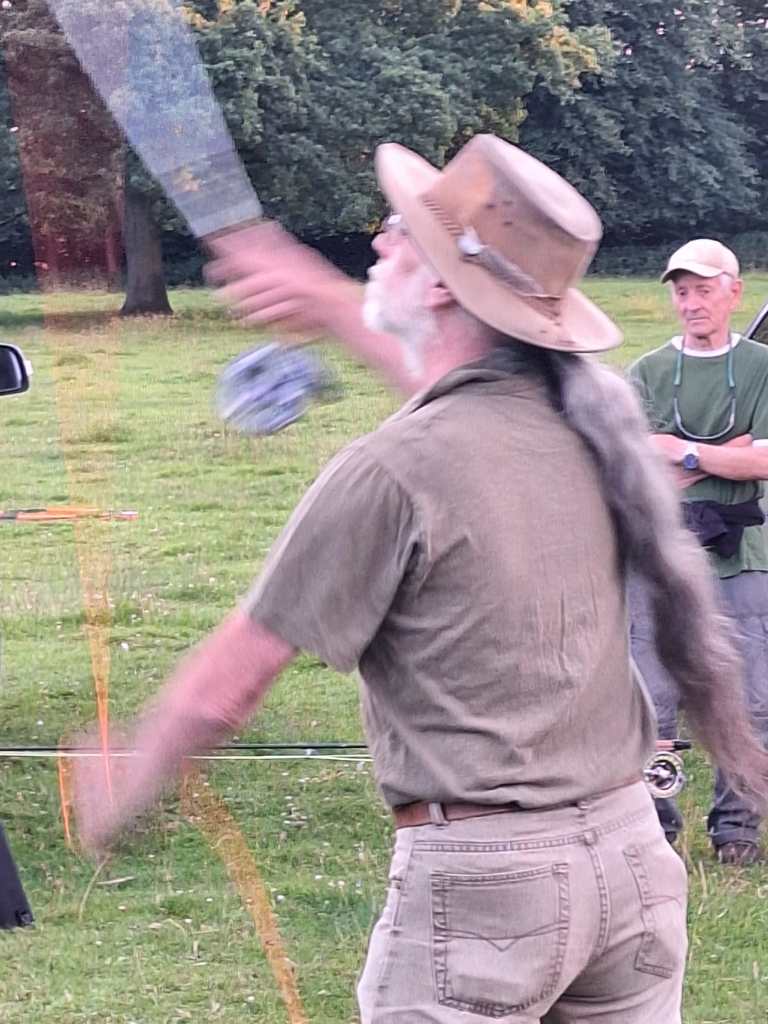
Under an almost full moon, the North West Branch of the Fly Dressers Guild joined forces with the Bollin and Birkin Flyfishers for the annual casting evening hosted by GAIA instructors Phil and Bernie Ratcliffe. The venue was Peover Hall, an Elizabethan House dating back to 1585 and currently hosting an exhibition all about General Paton who made Peover his headquarters in January 1944 to plan the D Day Landings. The evening differed from previous years as both a distance and accuracy competition were set up in addition to the demonstration by Phil Ratcliffe and his expert one to one tuition.
Both the distance and accuracy competitions were popular with most present having a go at both. First place in the distance comp was Peter with an impressive 73.74 feet, very closely followed by Stuart with 73.69 feet and in third place was Charlie with 70.8 feet. They chose prizes from club shirts, to a book, to flies made by Bob Lomax (the Fly Dressers Guild Awards Manager). In the accuracy competition, Charlie was crowned the winner with 12 points, Stuart was second place with 10 points and a very gracious Peter (who had already won a prize in the distance competition) suggested we give the prize to the fourth-place person – Alan. Prizes were again given out to those with the highest marks.
It was a relaxed evening in beautiful surroundings with a good turnout. Many thanks go to those who helped organise the event (Phil and Bernie Ratcliffe, Ian Crook and Alan Whittingham).



June 2025 Meeting – Tying Clinic hosted by our in house experts Dave Palmer, Gary Kirk and chairman Ian Crook
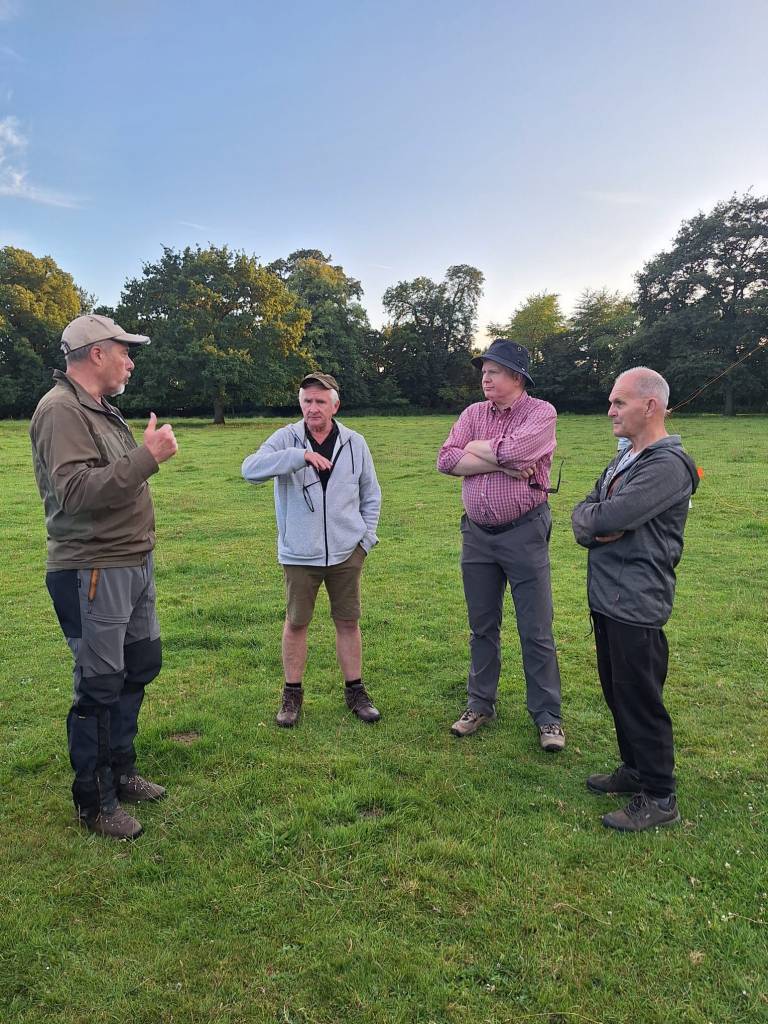
There was a good attendance this evening and we were joined by returning member Peter Bulger and the Chairman of the Leeds branch, Chris Davis, who had popped in on his way home from work.
Ian, David and Gary were on hand to give advice and to demonstrate some of their favourite patterns. Gary also informed members that he was available to help with successfully entering the Guild Award scheme, up to Silver level, and that he hoped members would take up this opportunity. As it happened Neil was in attendance too and is well into the Bronze Award for which Gary is mentoring him; Neil had a beautiful set of nymphs ready to present to the scheme judges.
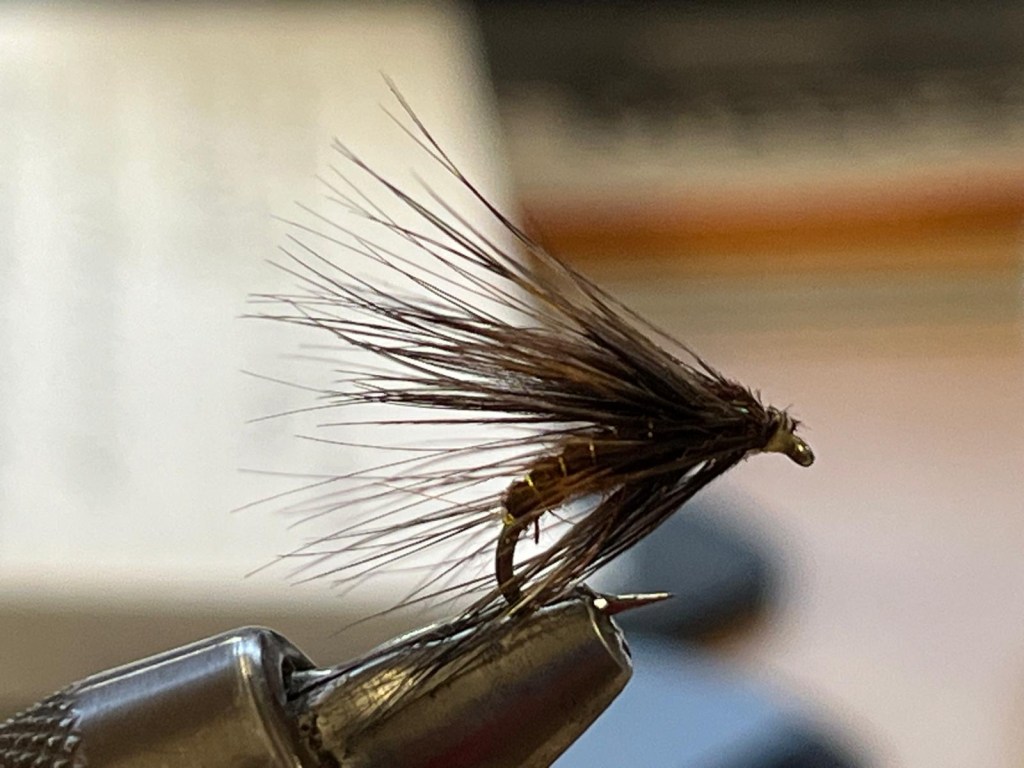
Following a frustrating evening watching sedges fluttering in crepuscular light over the river Goyt and not touching any I asked Ian to show a sedge emerger. It comprised hook sizes down to 22, primrose thread and light coloured wire with a herl body (Ian used peacock, instead of his normal pheasant tail, both look excellent).
The thorax is of pale orange/yellow dubbing, and he likes to introduce a touch of red too. The fly is finished with a small henny cock hackle and fished Ginked up either in the surface film, or just below.
David had an avid audience with Phil and Neil (another Neil) and tied a large and interesting take on the Mayfly using a size 12 hook, the tail was of Coq de L. with a body dubbed with pale rabbit underfur, the hackle was two cock hackles, a Greenwell and a Ginger, one being wound first and the other wound through it. David assures us that it isn’t necessary to tie different sizes and that trout seemhappy to take this fly even when smaller olives are on the water.
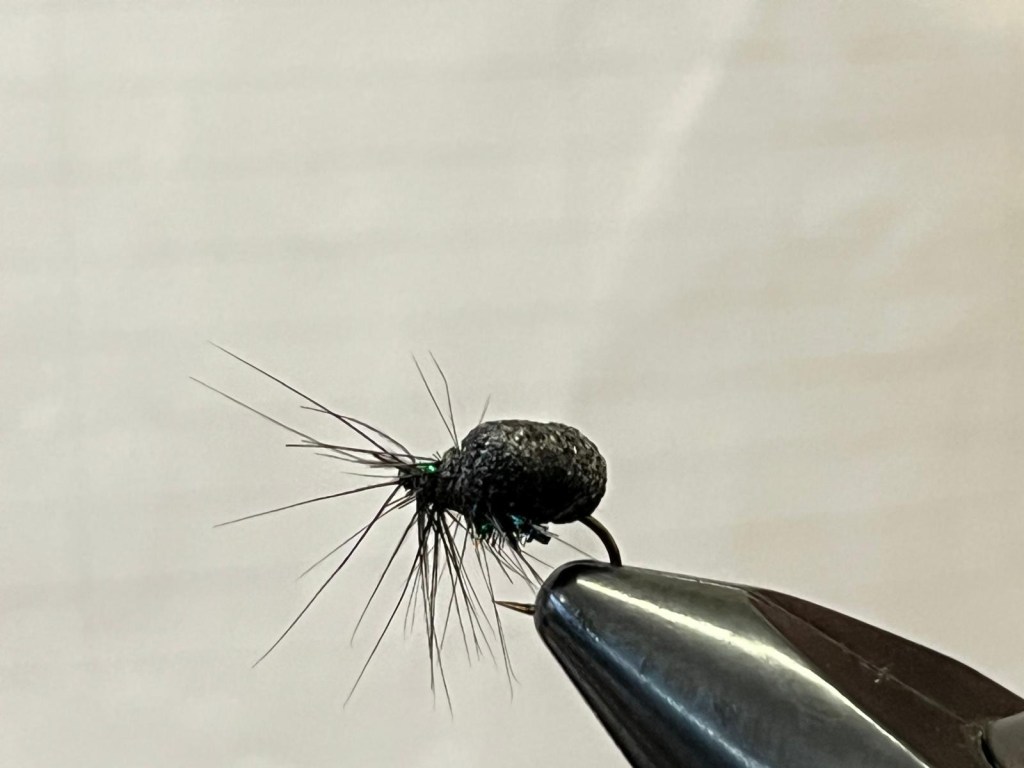
David also tied a foam beetle using Semperfli foam, 2mm peacock chenille and a hen hackle, this he finds most useful cast under streamside trees and bushes.
Thanks to all who attended and especially the expert tyers who shared their time and expertise and best wishes to David who will shortly be the proud owner of a new hip.



May 2025 – Small Successes or ‘Minor tactics’ Fly Tying demonstration from Eddie Wilkinson
We knew we would be in for a treat this evening with Eddie at the helm and he did not disappoint! He tied seven tiny, but immaculate flies that showcased his expertise of both tying skills and rivercraft – the knowledge of how to adapt your flies and techniques to the conditions. We were dazzled by his fuss free approach to imitating small insects and his innovative use of tools and materials that were not originally designed for the fly tyer (including dentistry tools!). The meeting was well attended and we are grateful to Eddie for such a fun and relaxed evening.
Small flies do work, but many people do not have the confidence to fish them. Why is this? Is it that hooks will not set and are just pulled out of the fish’s mouth or that the hook hold is poor or tippets are too fine to fish with? As a regular river fly fisher, Eddie’s “normal” dry fly size is an 18, but he will go to 22’s or even 24’s if needed. As for wets, a 14 is the main size, but again at times 18’s or 20’s because they work better at certain times of the year (this also applies to stillwaters). Rivers have lots of small flies that hatch in the midday heat or in a muggy corner. It is not every river that has a regular hatch of Mayfly that sails majestically downstream with wings like sailboats! There are BWO’s, Baetidaes and midges, even “small” damsels can produce fish at all times of the day. Dries and wets of these in the smaller sizes will all catch well!
April 2025 – Fly Tying demonstration from Fly Dressers Guild Awards Manager Bob Lomax
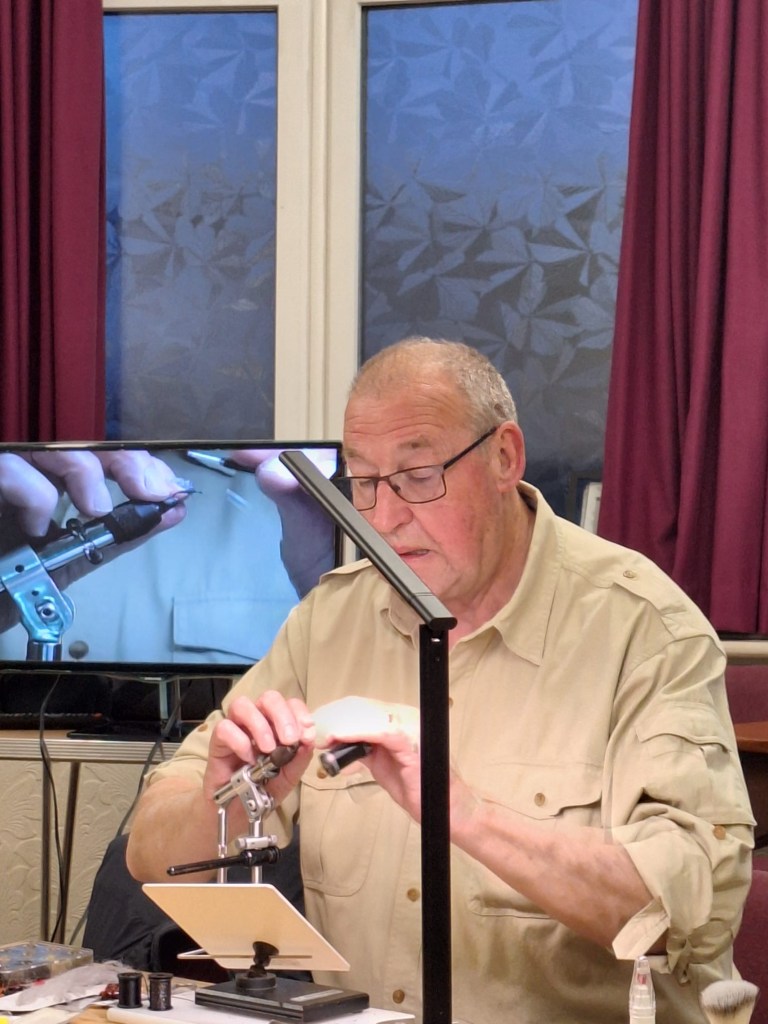
On Tuesday 15 April we were delighted to welcome Bob Lomax to the branch for a fantastic evening of fly tying. Bob, an ex policeman from Nottingham, is the awards manager for the Fly Dressers Guild and a GAIA instructor.

He started off with a 2 minute midge pattern to imitate anything black or brown on both rivers and still waters using the paraloop technique with a gallows tool and resulting in a sub aqueous body. His second fly was an ‘all or nothing pattern – whatever you want it to be’ (a midge, beetle or weevil) and would ‘float like a cork’.
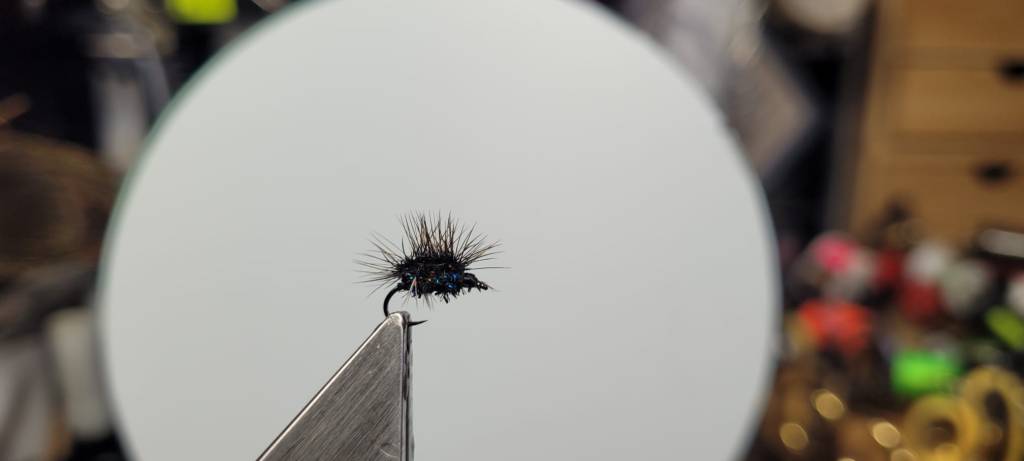
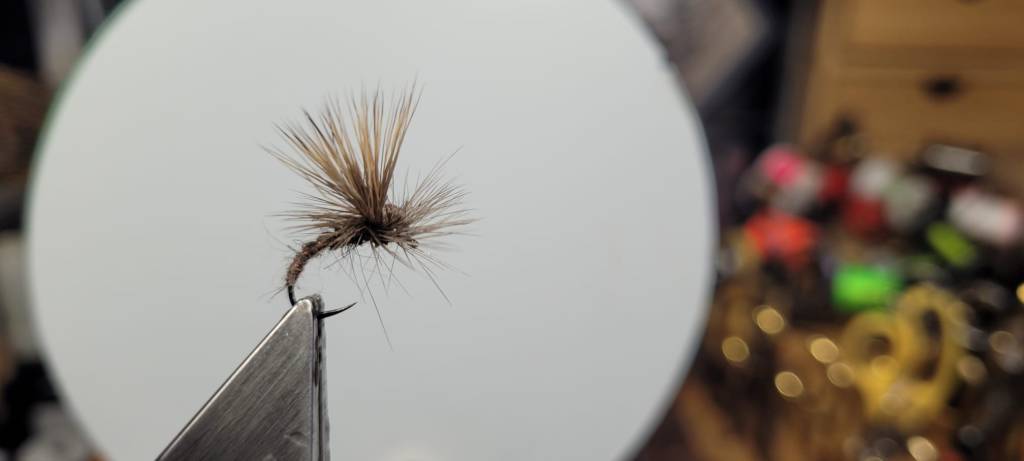


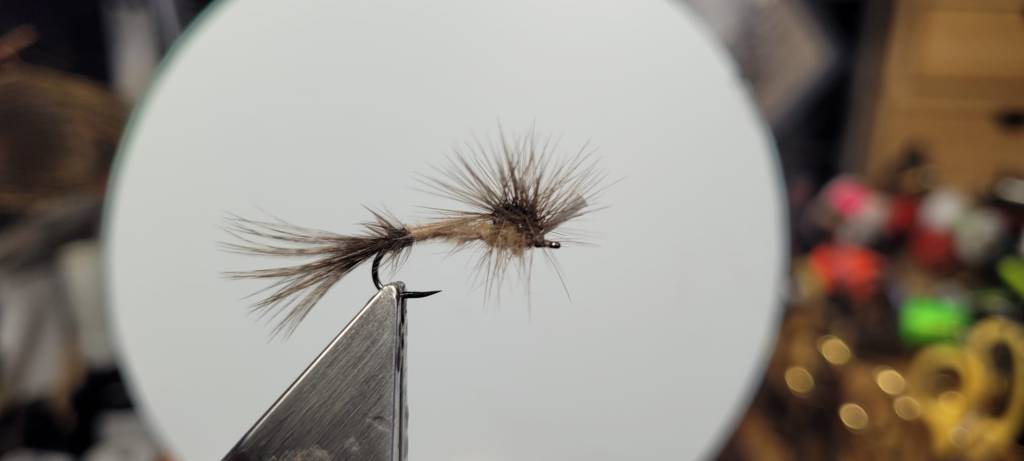
The third fly of the night was a simple but effective Derbyshire bumble (similar to a Griffiths gnat) using a red coloured chenille body. Bob, like most tyers, users materials not specifically designed for fly tying and for this fly (and others he tied) he showed us how he had adapted a car body repair dispenser filled with Sally Hansen ‘Hard as Nails’ as a finishing cement. The next fly used fibres from a shaving brush (which I’m not sure our 16 year old guest had ever seen before!). It was used on a LDO (large dark olive pattern). A thin ‘noodle’ of an olive mix dubbing of rabbit and possum hair was used and a Fulling Mill wing ultra dry. With a bit of gink, it will float all day he said.
After a well deserved break of tea and biscuits and lots of animated discussion amongst the 15 members and guests, Bob continued with a stuck shuck mayfly fly that could be fished just underneath the water. He finished the evening with 2 versions of the ‘Missing Link’ fly – a pattern which links together common features of many different insects, and insect life cycles, making it appear a safe and attractive meal to fish in nearly any surface-feeding situation. Bob’s top tip for the night – don’t use your best scissors for cutting wire!
March 2025 – Semperfli Demonstration with Ann and Andy Kitchener supported by Phillipa Hake

On Tuesday 19 March we were delighted to welcome our friends at Semperfli back for the second year in a row to present us with their latest innovations.
Ann and Andy Kitchener travelled over from their base in Yorkshire with pro tyer Phillipa Hake. Andy kicked off the evening by informing us of his latest toy – a laser cutter! Despite initial problems actually getting the large machine in to their building, it was soon set up and cutting out new designs using latex. It wasn’t long though until complaints came in of the burning rubber smell and the machine had to be relocated.
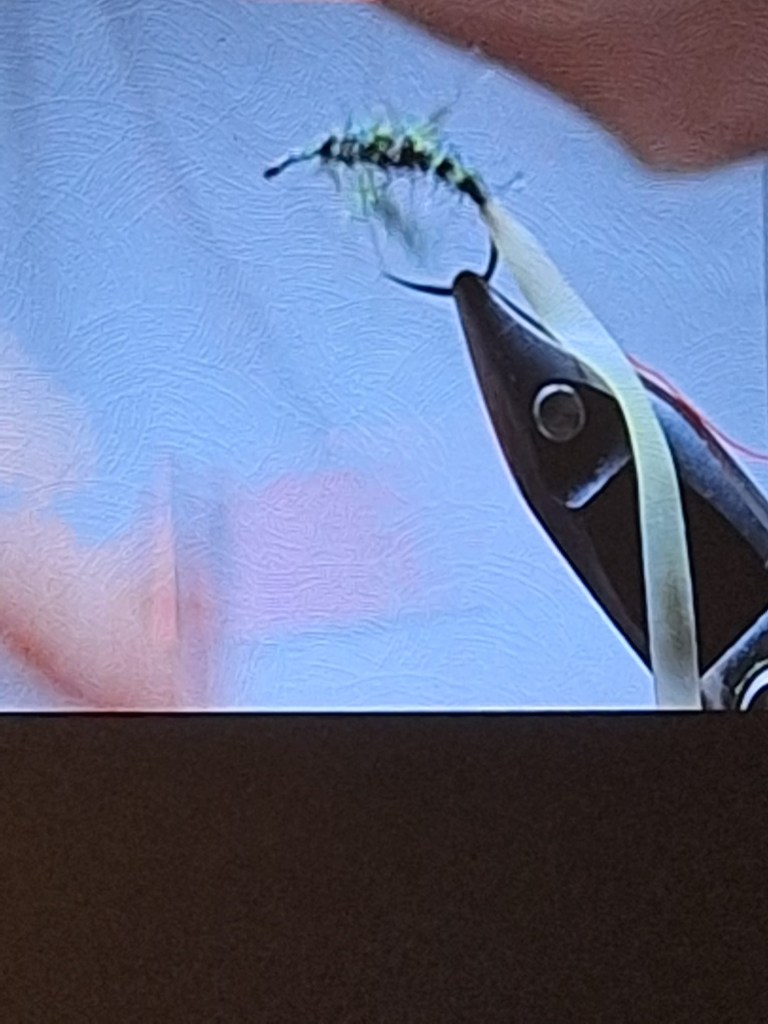
Phillipa started off demonstrating the use of the latex scud back by tying a Gammarus shrimp:
“We have taken latex, perfect for its stretchiness for scud, nymph and shrimp backs and cut it perfectly but then we do something totally different in our manufacturing process, we burn the edges deliberately so it looks like segmentation when wound around a hook, just like real segmentation on a fly or nymph. With just the right amount of stretch to allow a nice tight body, simply wrap over the top with mono ribbing or wire for a perfect segmented body”. The latex comes in 19 different colours – something for every fly conceivable!
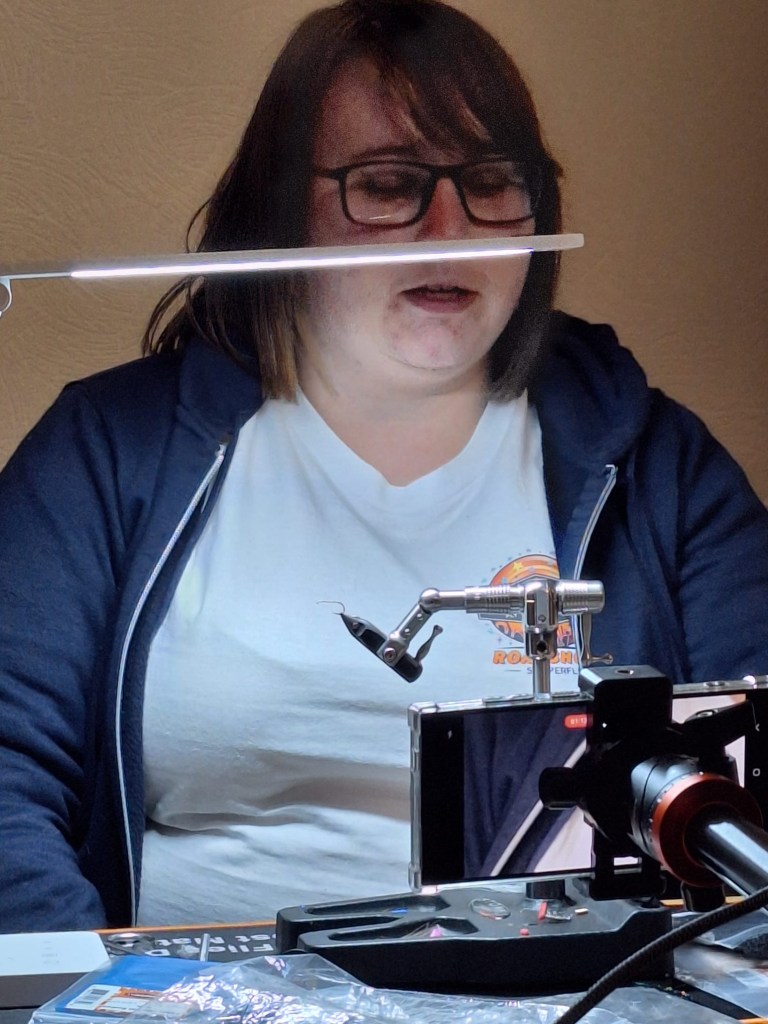

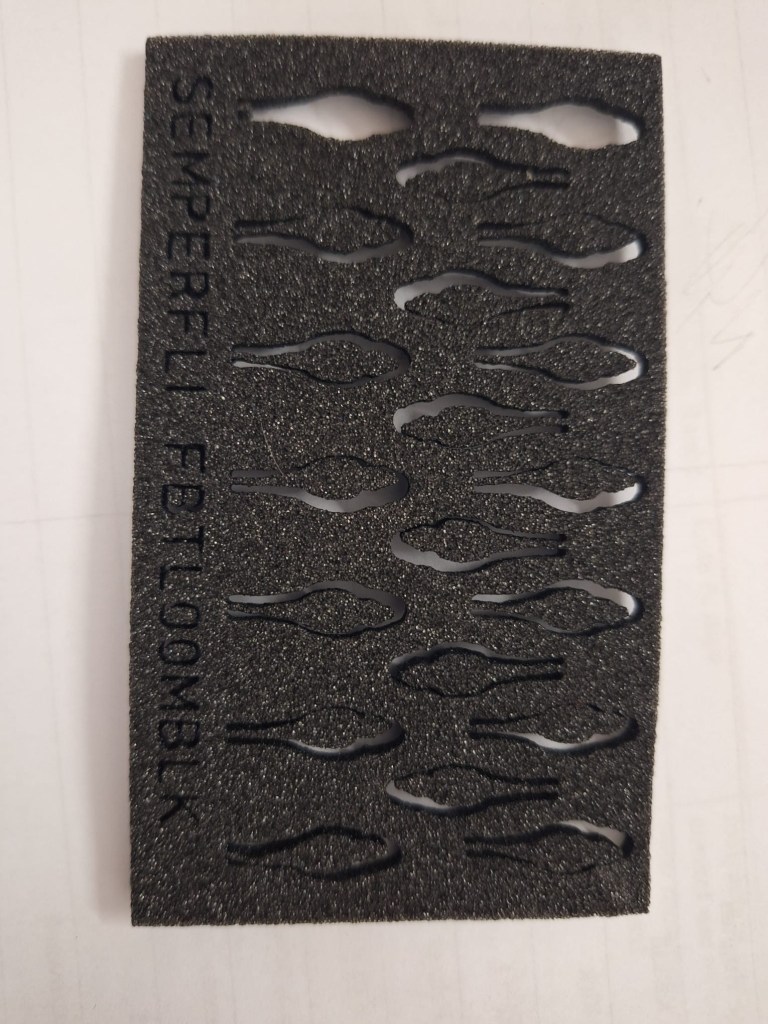

The next material to be put to the test in the new laser cutter was foam. Andy has created some ‘anatomically correct’ foam beetles as well as damsel flies and daddy long leg bodies. Phillipa demonstrated how to tie a foam beetle (with optional sighter), a blue damsel with wings, a daddy using a tan foam body and finally a mayfly. The team are currently experimenting with a synthetic suede and we are intrigued to see what they come up with next!
We thank Andy who always talks with such passion for his produce, Phillipa for excellent tying and of course Ann who was instrumental in the setting up of the stock which was purchased by our members.
February 2025 – Charming the Lady of the Stream

Tuesday 18 February was a hands on fly tying evening dedicated to Charming the Lady of the Stream – how to seduce Grayling, which brought us another Tying Together evening, hosted by our venerable chairman Ian Crook.
The subject was a tying of various Grayling Flies that “Do the business.”
A good variation of flies were tied by members, guided along the way by Ian.
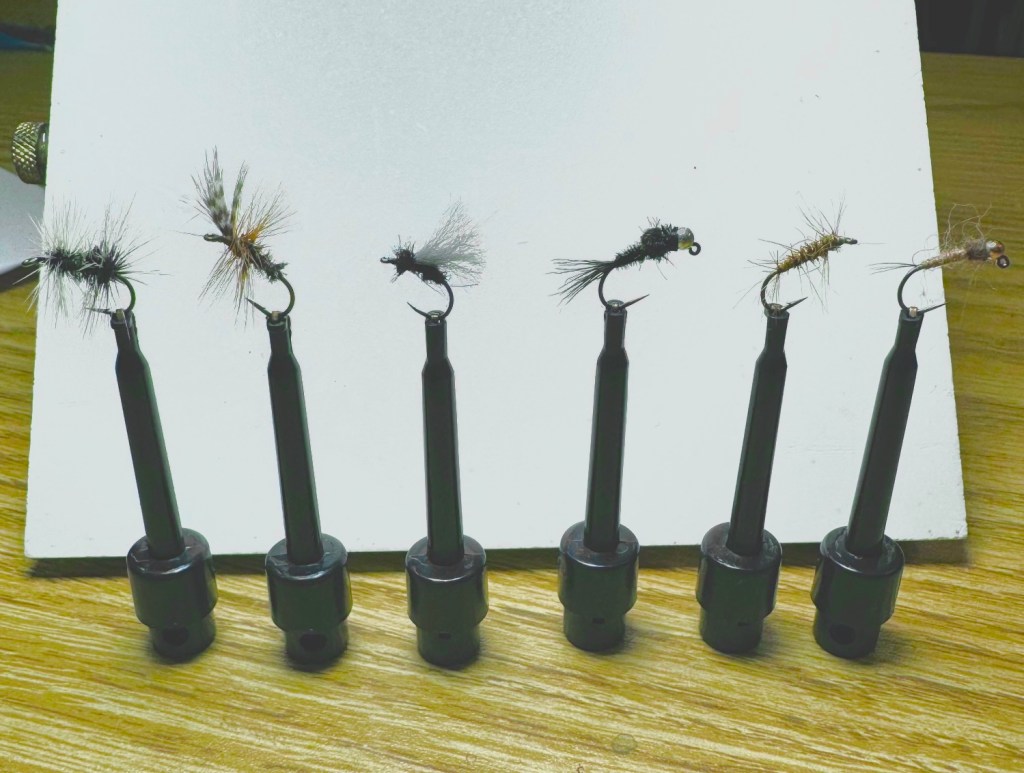
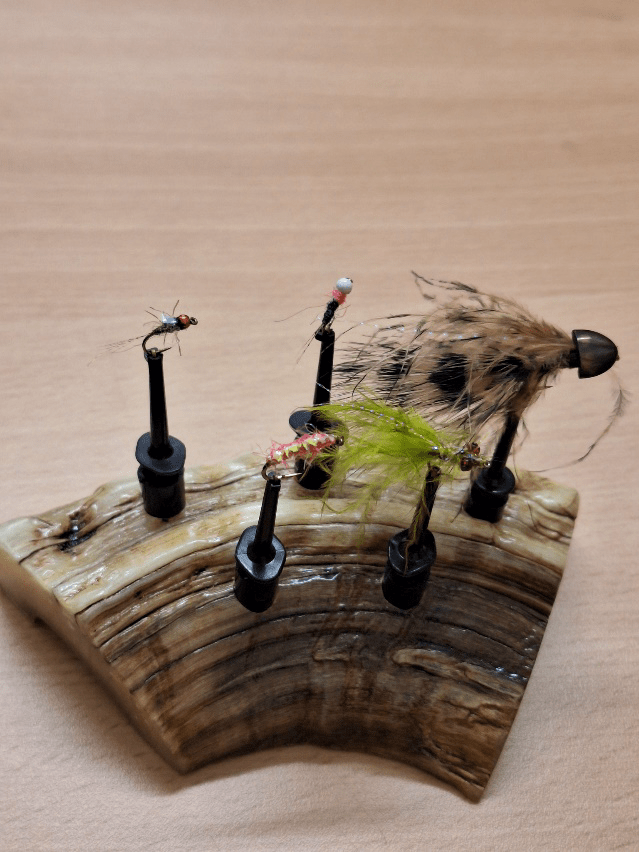
From left to right :
Double Badger, John Storey, Black Ant, Black Pheasant Tail, Supa Pupa, Ginger Tom.
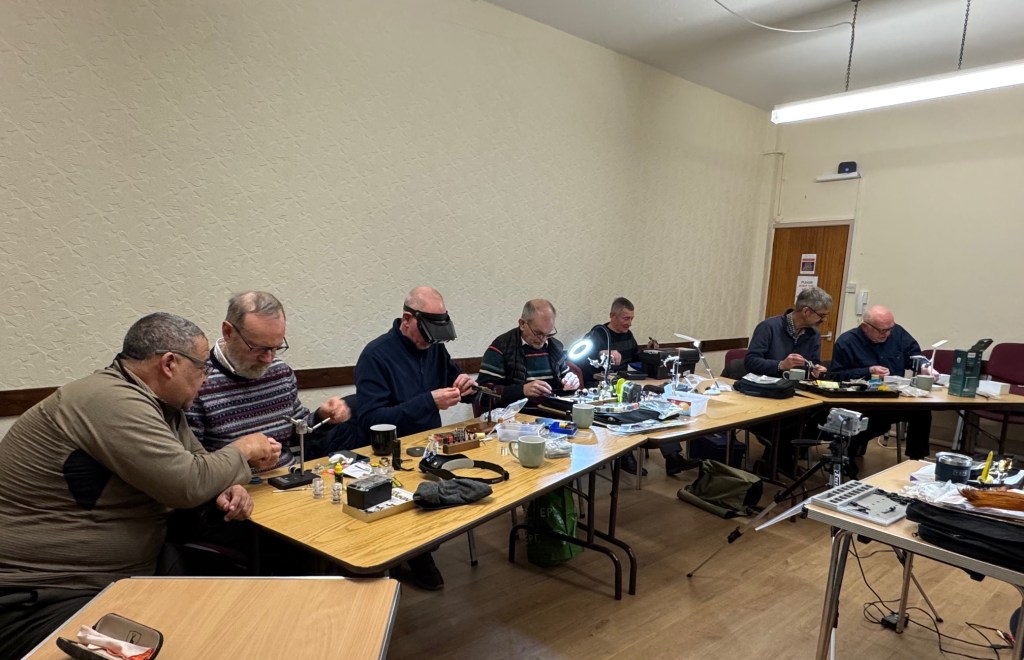
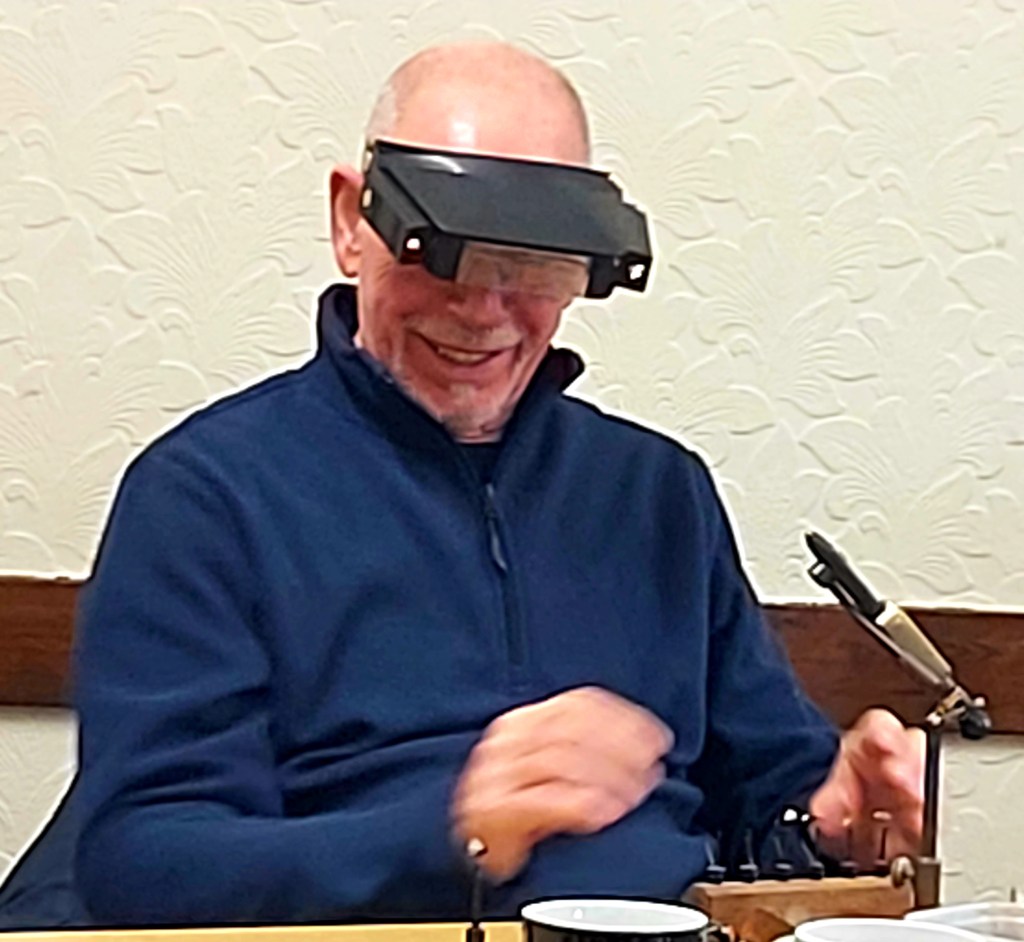
Some interesting techniques prevailed and a light hearted and enjoyable evening was had by all.
January 2025 – 55th AGM plus Bring and Buy
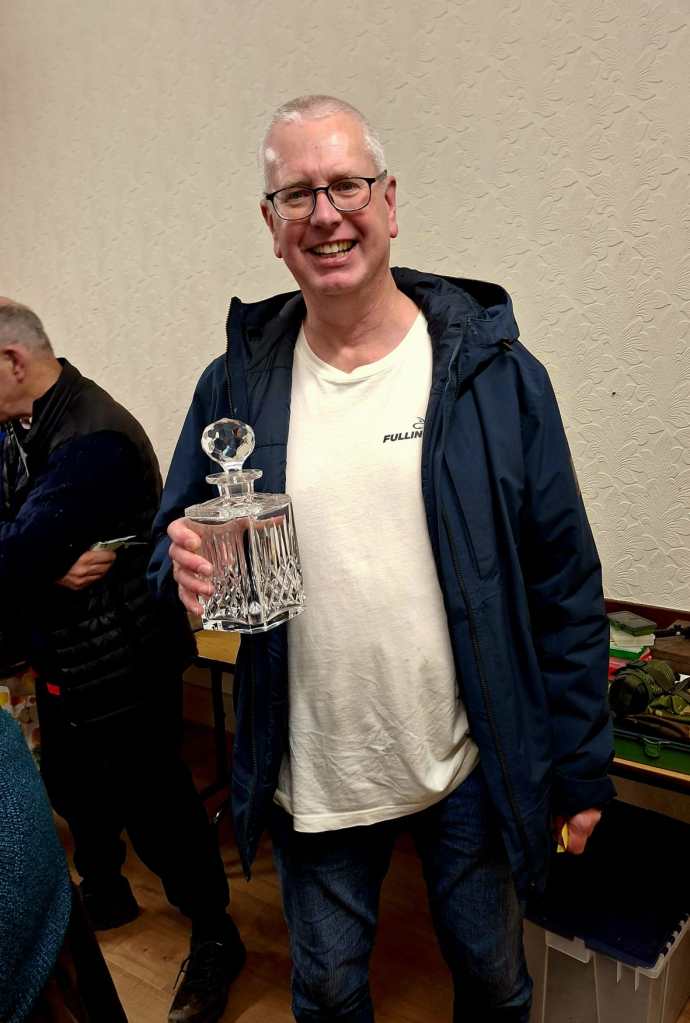
Tuesday 21st January was the branch 55th AGM. A good turnout with contributions to club funds. Gary Kirk was the lucky winner of the raffle with crystal decanter as first prize.
December 2024 – Ni Rogers Fly Tying competition sponsored by Semperfli
Tuesday 17 December was the last meeting of the year for the North West branch of the FDG and as such was our annual Ni Rogers Fly Tying competition sponsored by Semperfli. Trialling a different format this year, Semperfli sent out materials in November to the branch secretary who divided them up equally into clear packets. These were handed out to members on the night of the competition with none of them knowing prior to the event what materials they would be given. 10 tyers of differing levels then proceeded to tie what they could with the same materials.
Packets comprised: Black classic waxed thread 12/0, a length of copper wire 0.2mm, a length of Dark Gold Holo Tinsel 0.8mm, a length of Olive Synthetic Marabou 20mm, a length of Green Peacock Synthetic Herl 2mm, a pinch of Rainbow Scud Dubbing 16mm, Black Barred Sili Legs 5.5inch length 1mm diameter and Tail Fibre Fibbets in Tan 5cm.
A good number of flies were tied whilst chatting and listening to some classic Christmas carols. After an hour or so of tying we decided to name the flies and judge them (Duracell Peacock, Ostrich and Green Nymph, Timperley Shipman amongst others). Members circulated around looking at each other’s efforts and it was then agreed to enter your best fly for final judging. A simple tick exercise concluded that Neil Griffiths’ fly ‘Thing’ was the overall winner and he was duly awarded the Nigel Rogers trophy by last year’s winner Mike Warburton and Neil also received 1st prize of a £50 Semperfli gift voucher.
All members than availed themselves of the prizes on offer from materials, fly boxes, stickers, feathers and a further 2 gift vouchers from our sponsors Semperfli. Everyone who entered won something.
Thank you to all members who took part and we hope that whole membership of the branch has a merry Christmas and a happy and healthy 2025. We look forward to seeing you in the new year!



November 2024 – Weighted Fly Techniques with Eddie Wilkinson and Ian Crook

Tuesday saw healthy numbers of our branch get together for an informal evening on understanding and mastering the subtle art of weighted flies. Eddie kicked off the evening with an introduction on how, when and why to fish with weighted flies. For example – should you weight the fly or the system (line, leader, tippet)? Where in the water column are the fish feeding? Then followed a detailed examination of the different materials available to anglers including: hooks, beads (glass, resin, brass, tungsten), wire, lead, dumbells and even brightly coloured dress pins and a discussion about how best to use them to precisely target fish.
Eddie and Ian then went on to showcase a wide variety of innovative and creative techniques using the different options for weighting the flies – tying up damselflies, shrimp and lures amongst others.
Members circulated around the room tying their own flies and showing off specialist equipment, like precision gram scales, but also less grandiose, but equally practical items, such as wine bottle foil. Many questions were asked and lively discussion ensued! It was also an opportunity to just get to know each other better in the relaxed atmosphere that we have seen in recent sessions (largely due to the delicious refreshments provided by Chairman Ian Crook).
By the end of the evening, we learned that with knowledge of how each weighted fly functions and what it offers, you can make strategic decisions that enhance your chances of success and enjoyment in fly fishing.



October 24 meeting: Don Stazicker – with a presentation from his co-authored eBook, The Flies That Trout Prefer

Once again it was a real treat to welcome Don to our club meeting.
As always it was an evening of great interest and knowledge, with lots of detail from Don and Peter Hayes’s latest eBook, “The Flies That Trout Prefer.”
Examples were shown of flies that tend to attract the fish, mainly vulnerable cripples and spent flies, mostly sporting the Z-Wing material as wings.
Don never fails to capture our attention with his shared knowledge and superb presentations on the big screen.
Once again, a big thank you to Don for a great evening and to Alan and Ian for their hospitality drinks and cakes.
Link to Don and Peter’s ebook is here, a highly recommended read with fabulous video footage.


September Meeting- Tying Workshop, Upwinged River Flies
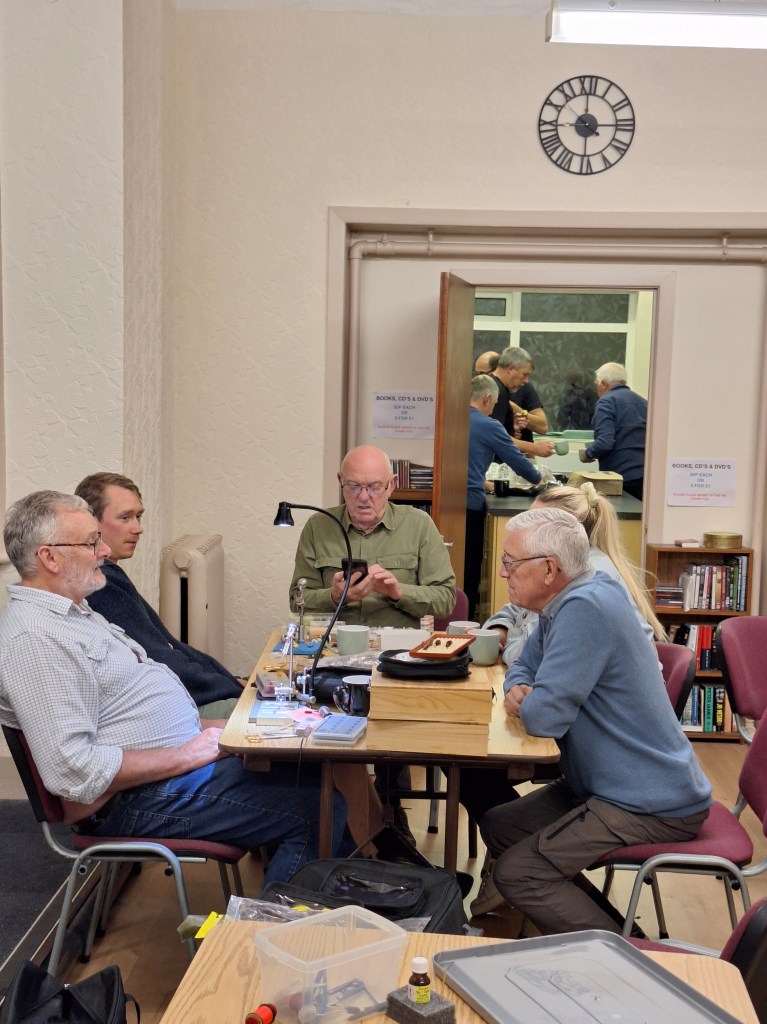
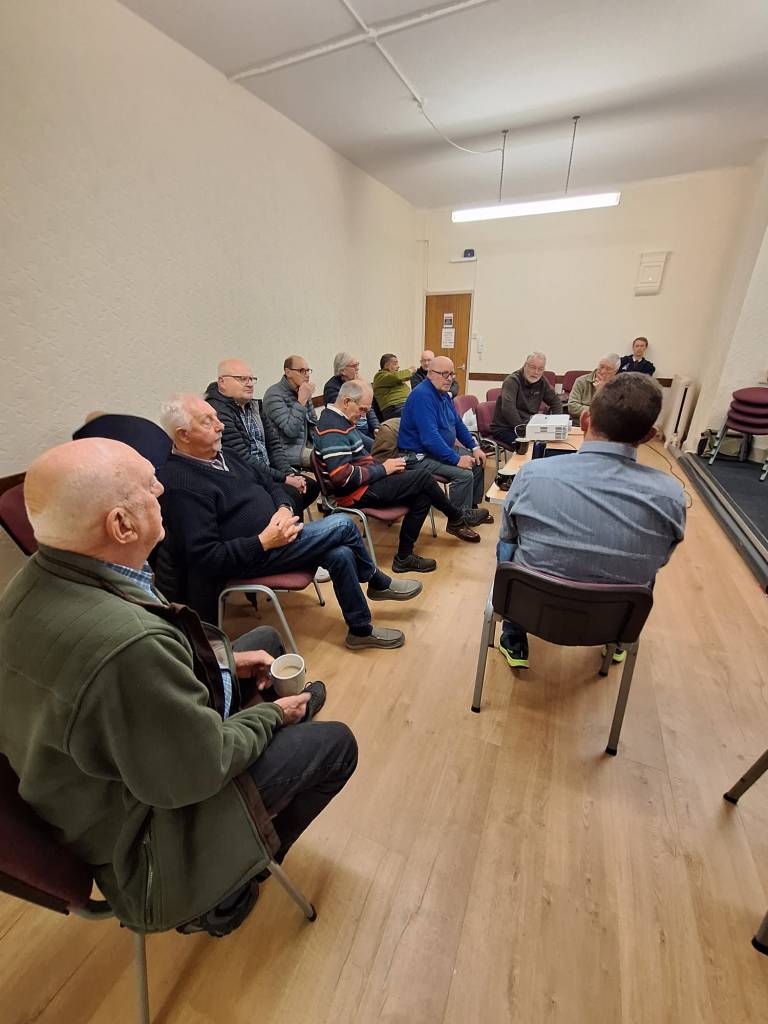
Tuesday evening saw 14 of us convene for an informal tying session with the loose theme of upwinged river flies. Tyers row consisted of stellar lineup chairman Ian Crook, Gold Award recognised Gark Kirk and we were delighted to have former member Paul Ainsworth too.
Ian demonstrated how to tie the Mrs Simspon fly arguably the most popular of the ‘killer’ patterns and the name is said to originate from the era of King Edward VIII, who chose to step down from the throne in order to marry Mrs Simpson; implying that if Mrs Simpson could lure a king away from his throne than a trout would be an easy feat! This trout fly is designed to be fished on dams and reservoirs, rivers and streams and on still waters too and has a real traditional sense of a classic fly using the beauty of feathers to the full.
Paul was on hand to demonstrate realistic looking mayfly wings or Wally Wings. Named after their inventor, Wallace Westfeldt, this technique emerged in the 1980s as a revolutionary approach in the realm of fly tying. Westfeldt, an avid fly fisher and innovative tyer, sought to mimic the realistic appearance and delicate motion of insect wings. Paul’s technique involved using sections of feather quills, skillfully prepared and tied to create wings that are not only visually striking but also highly effective in luring fish. He also showed how to tie colourful parachutes on his hand made vice.
Gary kept the members engaged with his innovative use of a compass to show how to measure the gape of a hook to get the correct wing size and the pinch and loop technique to position a wing (in this case mallard slips) and other materials exactly in place on the hook-shank.
Thank you to all our tyers for their expertise and advice and in particular to Ian Crook for providing delicious almond and cherry cake which was enjoyed by all.

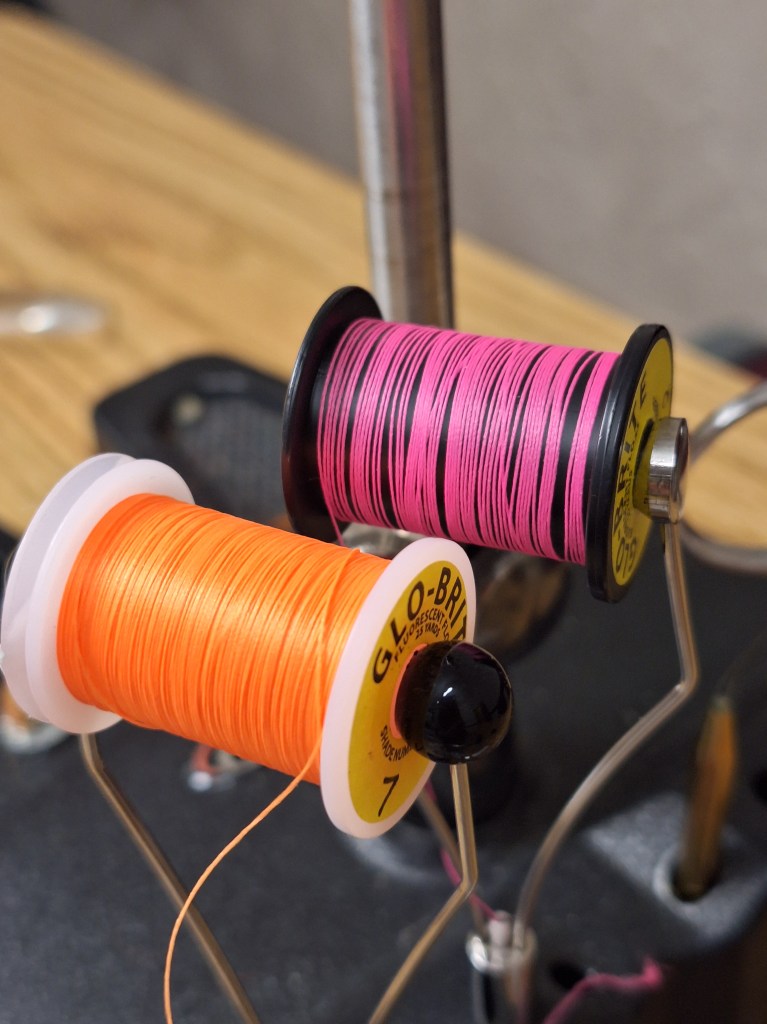


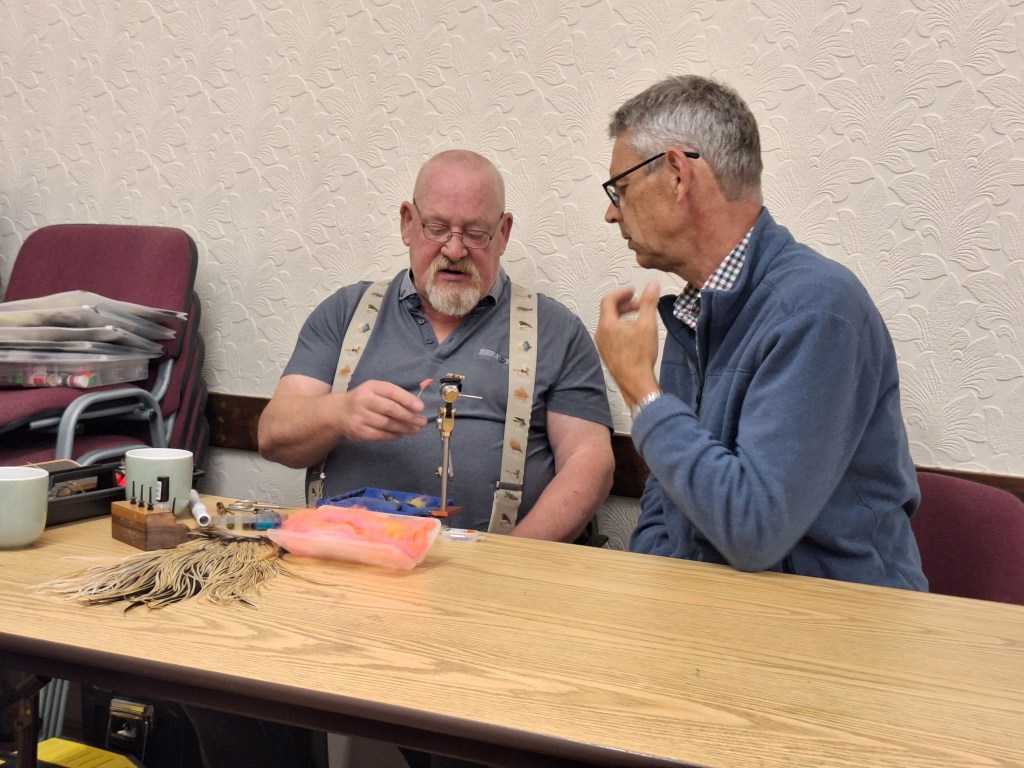
July 24 Fly tying demonstration with Branch Chairman Ian Crook, From surf to loch part 3.

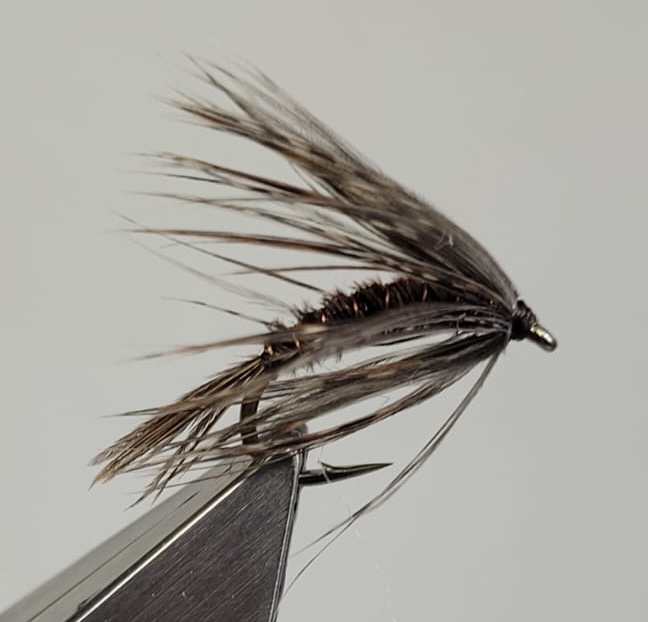
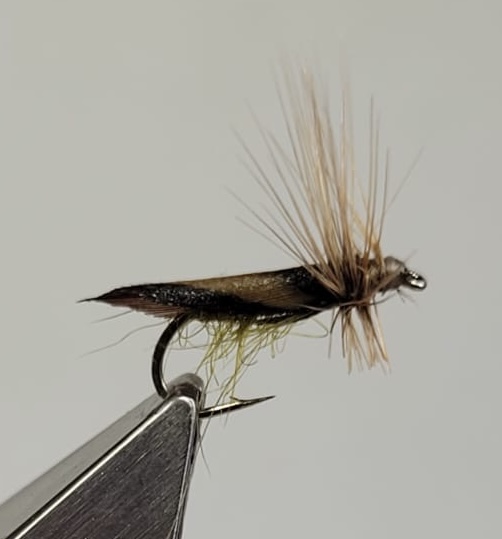
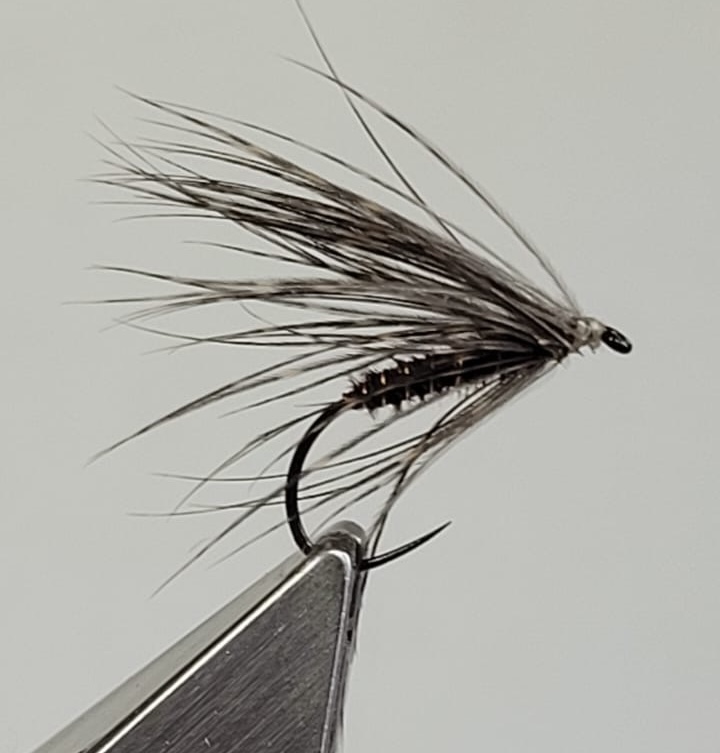
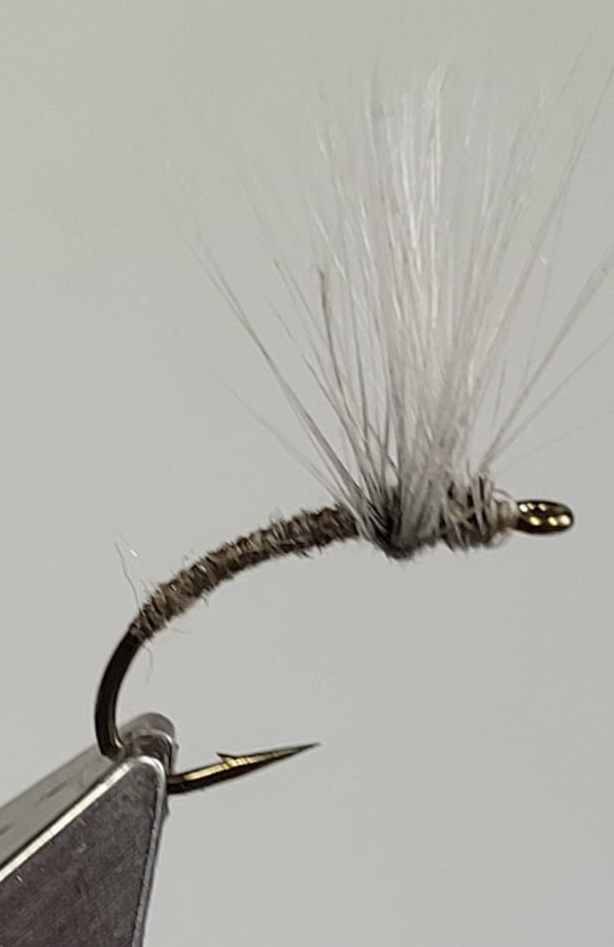
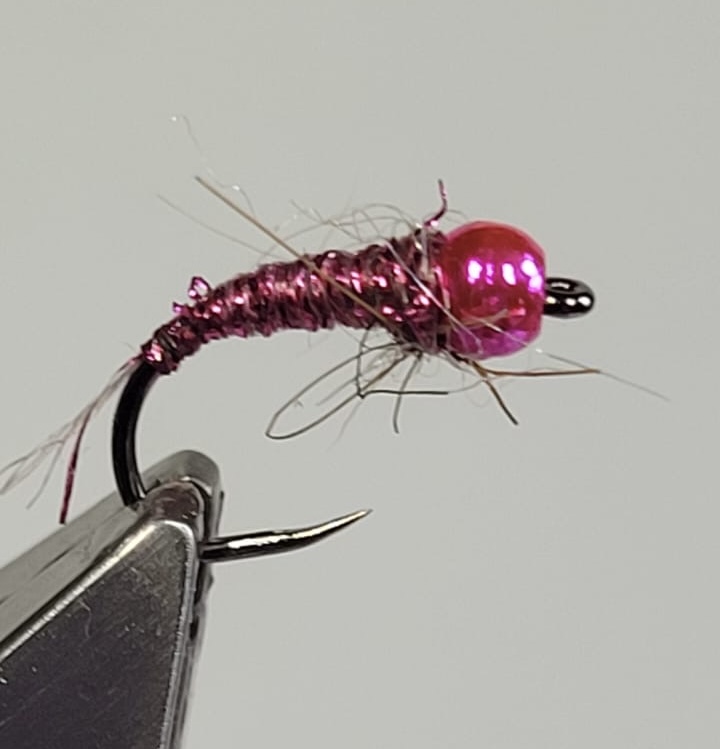
Our July evening saw our chairman Ian Crook at the helm, continuing with Part 3 of his tying series “From Surf to Loch”. Another entertaining night and a good turn out, with Ian’s usual comical banter. Ian covered several flies, as can be seen below.
Ian also displayed for us, an interesting display of his Cotarelli Vices, including a somewhat intriguing device for tying blood knots on leaders. He also gave an interesting and knowledgeable demonstration of safety issues related to using UV resin.


June 24 Casting evening at Peover Hall with Bernie and Phil Ratcliffe.
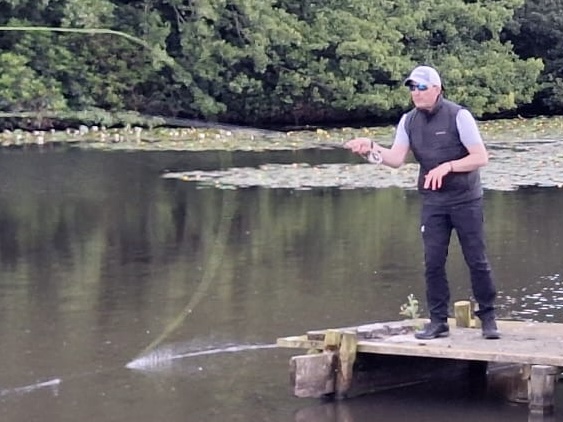
This month’s branch meeting saw us unite at Peover Hall Lake for a casting evening under the expert guidance of father son duo Bernie and Phil Ratcliffe. We had a sizeable turnout of both NWFDG branch members and some from the Bollin and Birkin Flyfishers who are lucky to claim the lake as one of their waters.
Phil Ratcliffe holds the highest single-handed casting qualification in the UK and Internationally APGAI (Advanced Professional Game Angling Instructor) and the Fly Fishers International MCI (Master Certified Instructor) and after demonstrating various single-handed casts (roll, overhead and static / jump roll), we spread out amongst the banks of the lake to have a go ourselves. Phil, Bernie and Ian Crook were on hand to advise throughout – we are grateful to them all for sharing their tips and extensive knowledge.
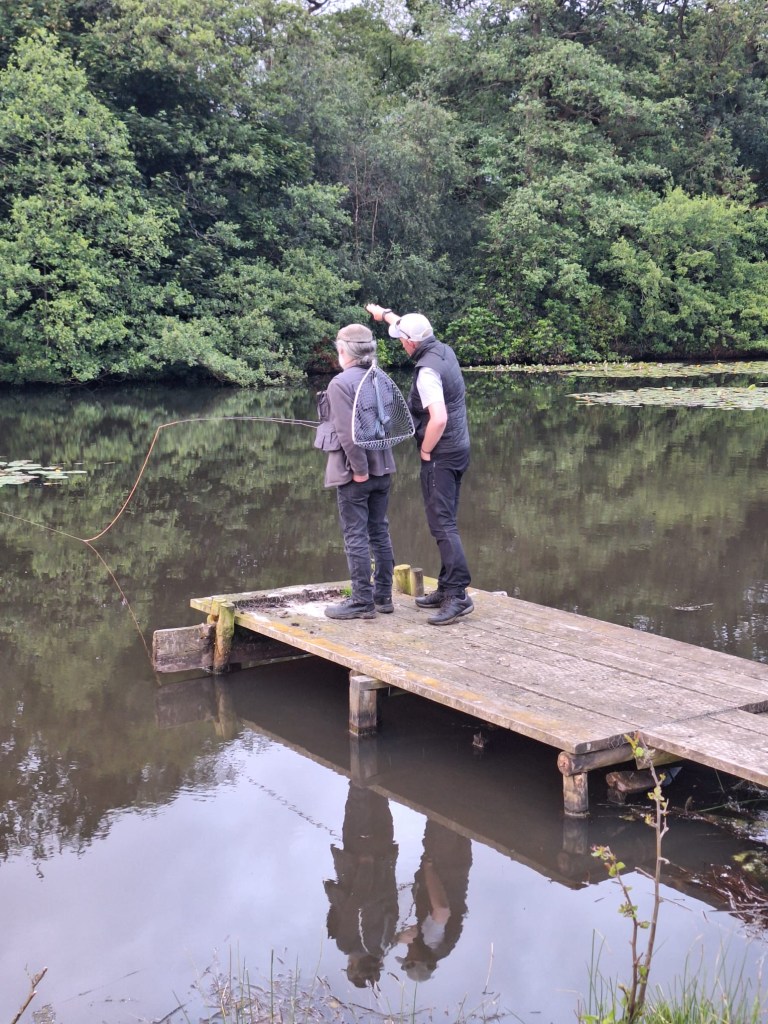
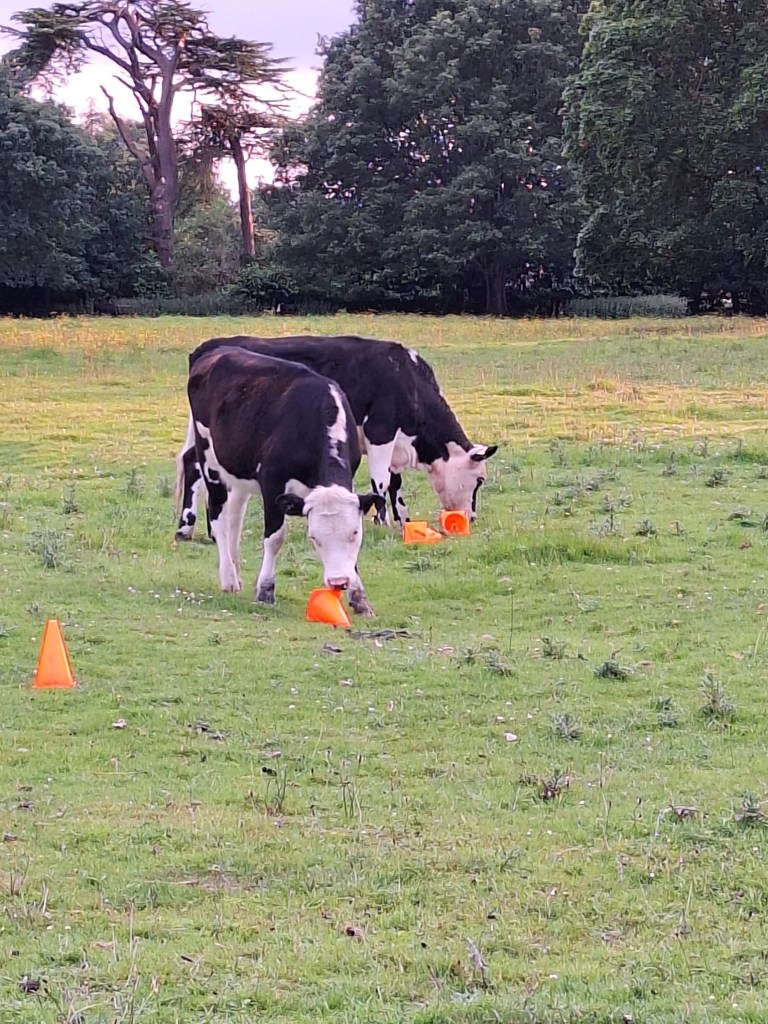
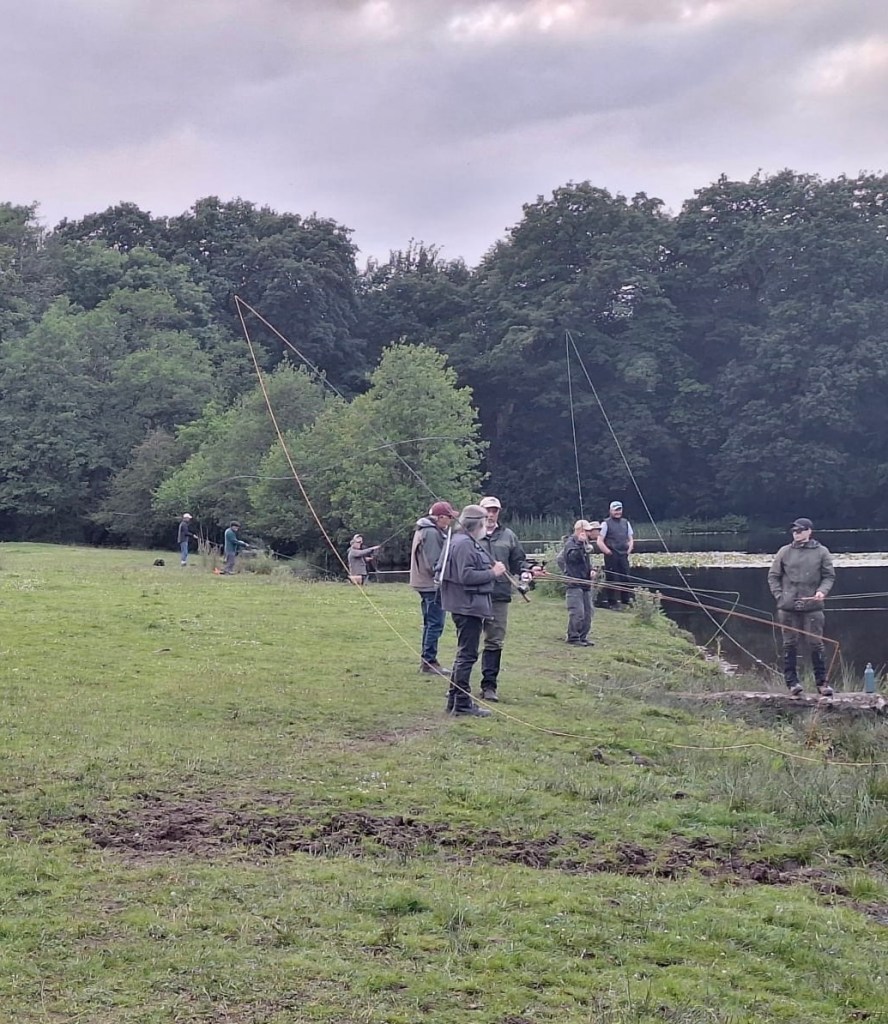


Safety guidelines were in place with all members wearing the necessary safety gear of hats and glasses but the biggest hazard of the evening turned out to be a large herd of inquisitive stirks (young cows) who seemed keen to engage with us at every opportunity (see photos!).
Despite the temperature being a little cooler than expected for June and the wind being a little pesky at times, it stayed dry throughout the evening and Peover is a charming setting to spend an evening amongst friends fine tuning known and familiar casts whilst practicing and finessing new techniques. If you would like to discover the beautiful Peover Hall and its stunning surrounds, why not visit the Cheshire Game and Angling fair on Sunday 4th August?
May 24 Fly Tying Demonstration Presented By David Palmer On Traditional Wet And Dry Flies

We were delighted to welcome David back to present a demonstration of tying techniques for traditional wet and dry flies. It was an entertaining and informative evening, with some great interaction with all those present.
For those of you that don’t know David is an immensely experienced fly tyer, AAPGAI Advanced Fly Tying Instructor and is one of the founder members of our Branch.
He commenced the evening by explaining the difference between the feathers of cock and hen capes, showing us a number of capes (some of which were of historic interest). His samples included Greenwells, Furnace and Coch Y Bondhu cock capes. Other natural materials that David demonstrated with included Hare’s body fur, Coq De Leon, Snipe over covert feathers and Duck wing quills.
Included in the flies that David demonstrated, he showed how to select, prepare and mount slip wings on both wet and dry flies. Thank you David for an enjoyable evening.
March 24 Demonstration with Semperfli and featuring Philipa Hake
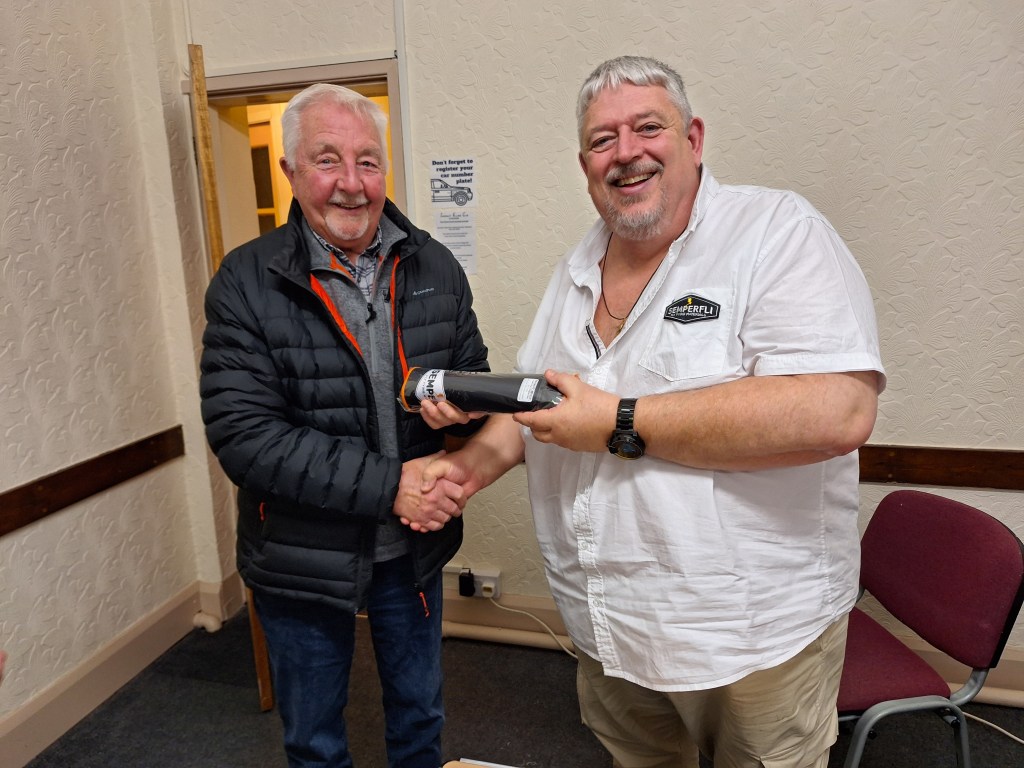
On Tuesday 19th March we had the pleasure of welcoming Ann and Andy Kitchener from Semperfli and Phillipa Hake one of the brands pro team members to do a presentation on their products.
Semperfli, based in Selby, is a British owned brand whose goal is to design the finest fly-tying materials possible. They offer tyers a brand that umbrellas innovation, design, attention to detail and development. In 2022 they were awarded the Queen’s Award for Enterprise in International Trade.
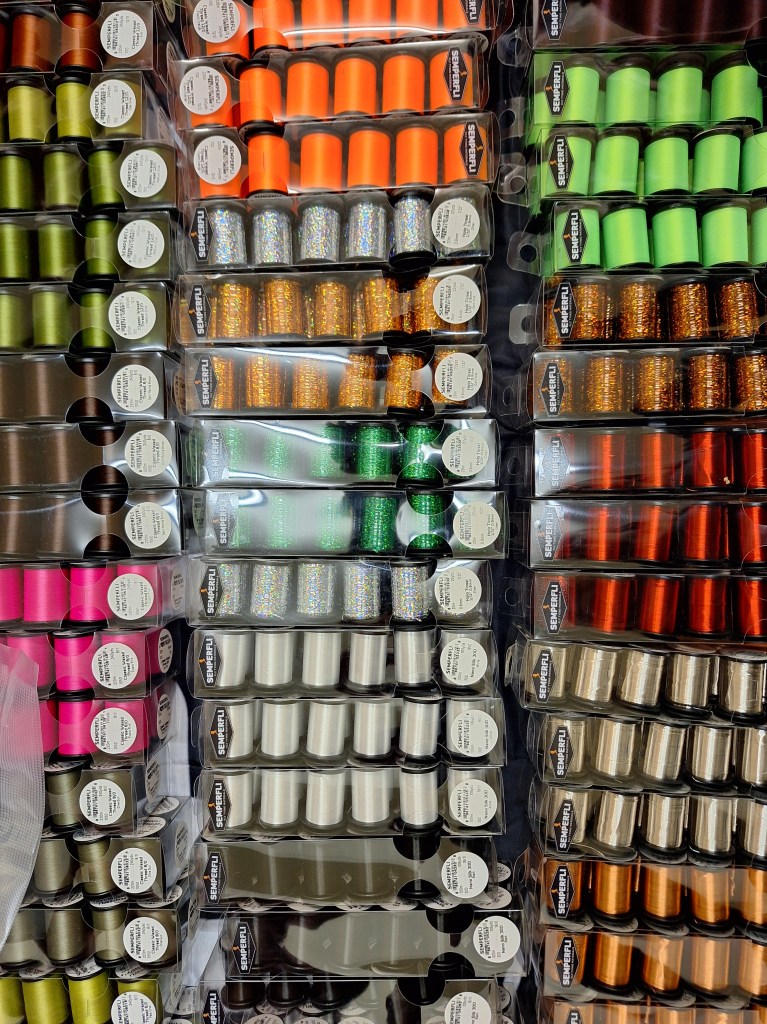
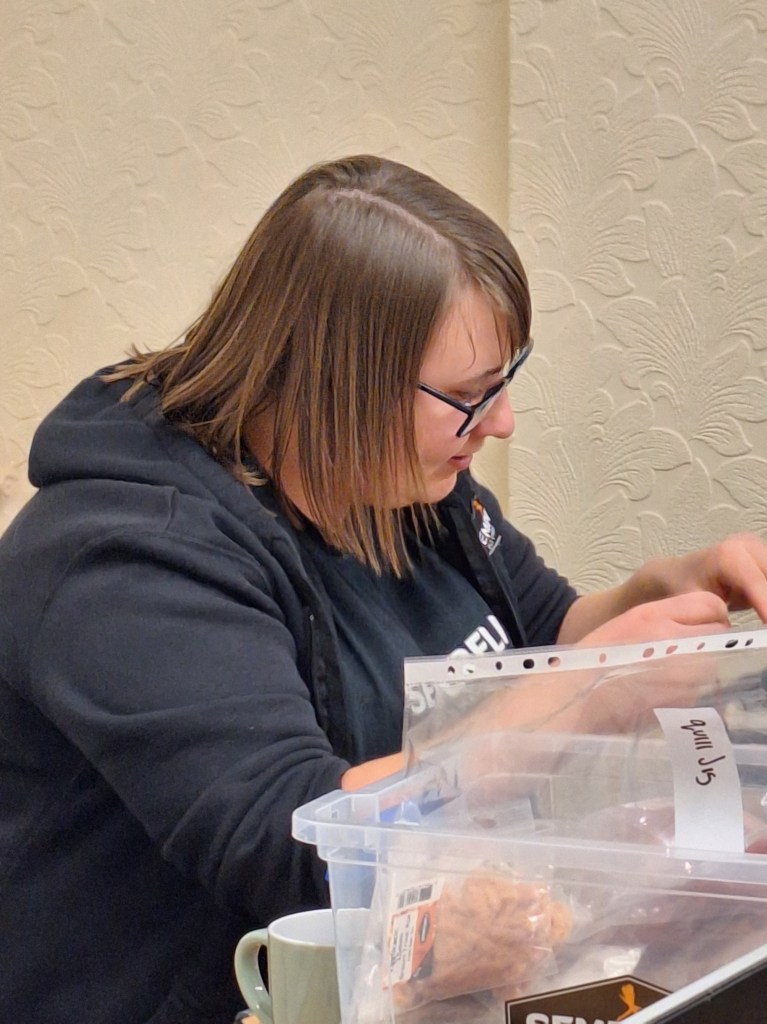


The theme of the evening was innovation – Andy describes himself as a nutty professor who champions British ingenuity. With a background in computing, he has an analytical mind that relishes the challenge of how to make something and then work out how to make it cost effective!
Semperfli are a brand dedicated to synthetics who look to mimic the traditional natural materials that fly tyers historically use such as peacock herls. Synthetic materials are becoming increasingly popular due to their durability, versatility and their ability to mimic natural materials. They are also less expensive than natural materials, making them a more affordable option for fly tyers. Synthetic materials are also available in a wider range of colours, allowing fly tyers to create more vibrant and eye-catching patterns.
After Andy’s introduction to the brand, we were treated to a selection of flies tied by Phillipa Hake one of the pro team members for Semperfli (she is one of dozens worldwide with pro tyers hailing from USA, New Zealand, Norway and everywhere in between).
Phillipa tied a beautiful selection of flies including a klinkhammer, diawl bach, streamer and a flash damsel all showcasing Semperfli’s innovative materials such as Mopster mop Chenille, Nano silks, and EggStatic. The EggStatic range has been designed specifically to match the natural life cycle of fish eggs and dyed in top of the range computerised dyeing machines. When the fly hits the water, it is transformed as the material slushes together which allows a translucent effect mimicking nature. Add to the effect a UV Fleck in every variant and a wide range of natural and fluorescent colours, there is guaranteed to be a colour to match the fish eggs in your area.
A selection of these products was then available to buy and Bernie Ratcliffe won the raffle prize of a Semperfli foam vice and display mat. We thank Semperfli for making the journey to visit us leaving us all inspired and excited to tie up some new flies with the techniques and materials showcased tonight.
Semperfli website can be found here.
February 24 Tying Evening with Les Lockey

Our February meeting saw the welcome return of Les Lockey, demonstrating a selection of six Ephemeroptera patterns. All superb flies that “WORK“ and worthy of being in your fly box.
Foam CDC Dun, Olive Hopper, Hacklestacker Olive Emerger, Caenis Dynamite Harry, The Timmy, Emerging Floating Olive.
We had a good turn out for Les and his skills and advice were appreciated by all in attendance.
Les’s knowledge of both fly tying and entomology are endless and always make for a fascinating evening not to be missed.
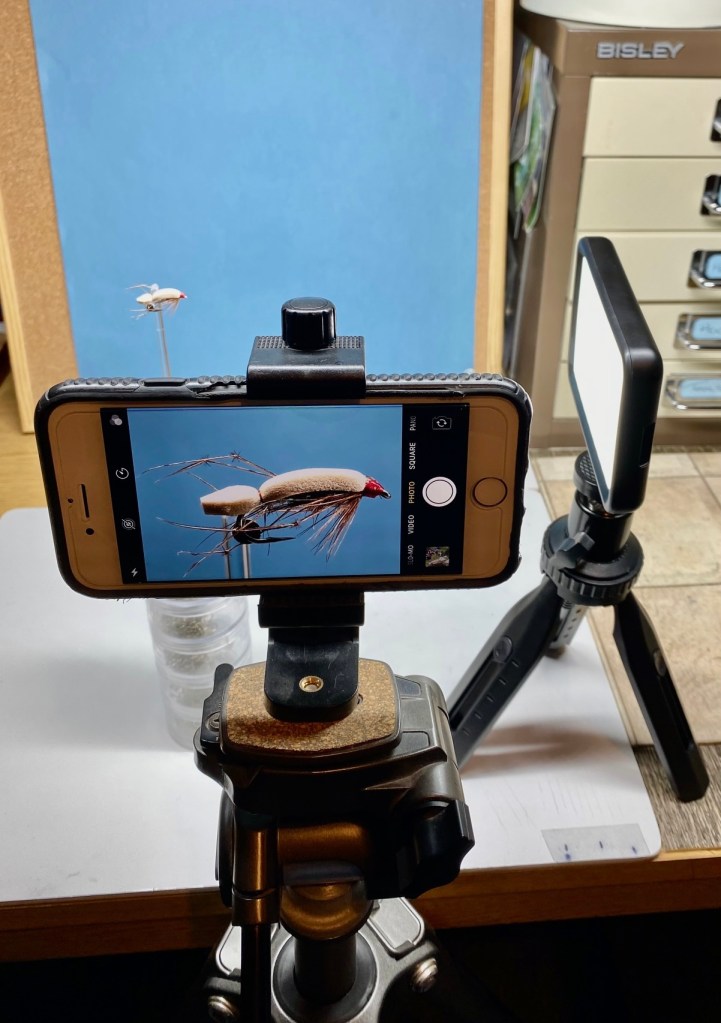
To cap the demonstration, Les finished with a talk and demo of photography skills that can be used for members to take better pictures of the flies they tie. Again, a demonstration of his skills on the subject and very much appreciated by members.
A big thank you to Les for all the work, pictures and instructions he offers us on all his demonstrations.
Mike Warburton
Les has kindly provided full dressings along with high quality images of the flies tied and these can be seen on the Articles page, click here.
Les also provided an image of his photographic setup for obtaining the high quality images that he provides, another great share from Les that will be of use to many for sure.
Oct 23 – Les Lockey – Dressings for NW Branch Demo ( Variations on a theme – Stillwater emergers and damp dries)

1. Shipman’s Buzzer (Dave Shipman, 1979)
Hook: Kamasan B170, size 12.
Thread: Brown Semperfli Nanosilk, 50D, or any fine brown thread.
Breathers & shuck: White polypropylene yarn.
Rib: Semperfli Mirror tinsel, Mirage, 0.8mm.
Abdomen: Fiery brown seal’s fur.
Thorax: Fiery brown seal’s fur.

2. The Midas (Paul Davison)
Hook: Kamasan B170, #12.
Thread: Veevus 14/0, red.
Rib: 4lb. Clear Monofilament / Nylon.
Abdomen: Red, orange, fiery brown and claret seal’s fur, mixed 30:30:30:10.
Legs: Hen Pheasant centre tail fibres,4 each side of body.
Thorax: Seal’s fur, same as for abdomen.
Hackle: Furnace or Greenwell’s Cock Hackle.
Head: 2 Strands of gold Lite Brite, dubbed.
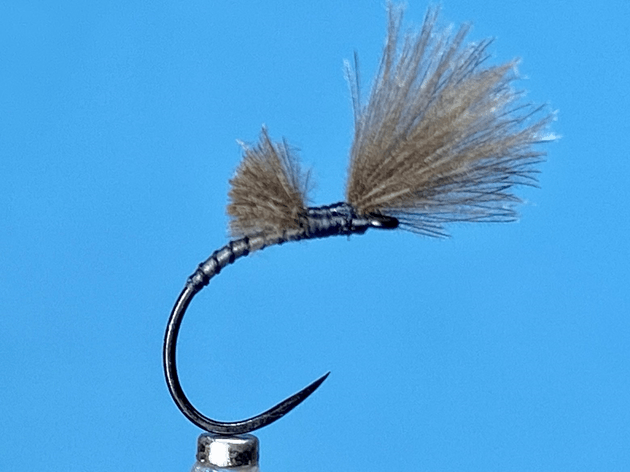
3. Hatching Midge (B. Ord Clarke)
Hook: Varivas 2200BL, size 16.
Thread: Veevus 12/0, Shade C09, Tan
Abdomen: Flattened thread as above.
Rib: Round thread coloured black with waterproof felt pen.
Thorax: Blackened thread as above.
Wing: 3 CDC feathers.
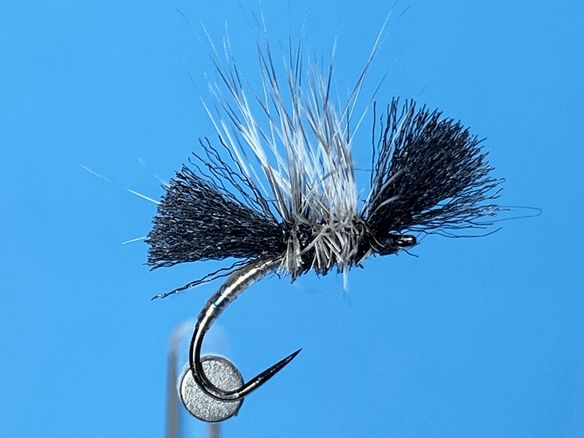
4. The Shiphammer Hybrid Emerger
Hook: The Barbless Hook Co. Klinkhammer, size 16, or Fulling Mill Czech nymph, #14.
Thread: Black Veevus GSP, 50D, or UTC 70 black thread.
Abdomen: Semperfli Mirror tinsel, Mirage, 0.8mm.
Breathers: Strand of black siliconized yarn, (from The Fly Tying Boutique).
Hackle: Cock saddle, Grizzle, trimmed below the shank.
Thorax: Hends no. 46 Spectra dubbing.

5. The No See Um (Phil Bair)
Hook: Fulling Mill Ultimate Dry, sizes 18-20, or similar.
Thread: Veevus GSP, 50D, black, or any fine thread, colour to match hatch.
Abdomen: Thread as above.
Hackle: Grizzle genetic cock saddle.

6. The Nothing Fly (Alec Harvey)
Hook: Guru MWG barbless, size 20,
Thread: Semperfli Nanosilk 30D, Black.
Tail: Black Aero Dry Wing.
Abdomen: Black thread, tied short.
Thorax cover & breathers: Black Aero Dry Wing.
Thorax: Green peacock herl.

7. Mini ND Midge
Hook: Guru MWG Barbless, size 20.
Thread: Semperfli Nanosilk, 30D, Black.
Thorax cover and body: 1/16” Black foam cylinder or 2x2mm black foam strip.
Thorax: Black Mole Rat dubbing (FNF Flyfishing), or any fine black dubbing.
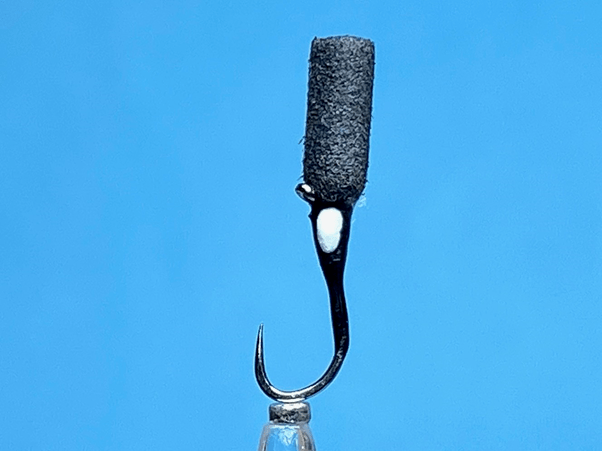
8. Wicked White Top Hat Buzzer (not tied)
Hook: Guru MWG Barbless, size 16, or Competition Barbless, size 16.
Thread: Black UTC 70.
Suspender Post: 3mm. diam. black high density foam cylinder.
Abdomen and Thorax: Black thread as above, coated with UV resin.
Cheeks: TulipT-shirt paint, white, coated in UV resin.
Oct 22 – Les Lockey – Dressings for NW Branch Demo ( Variations on a theme – Stillwater emergers and damp dries)
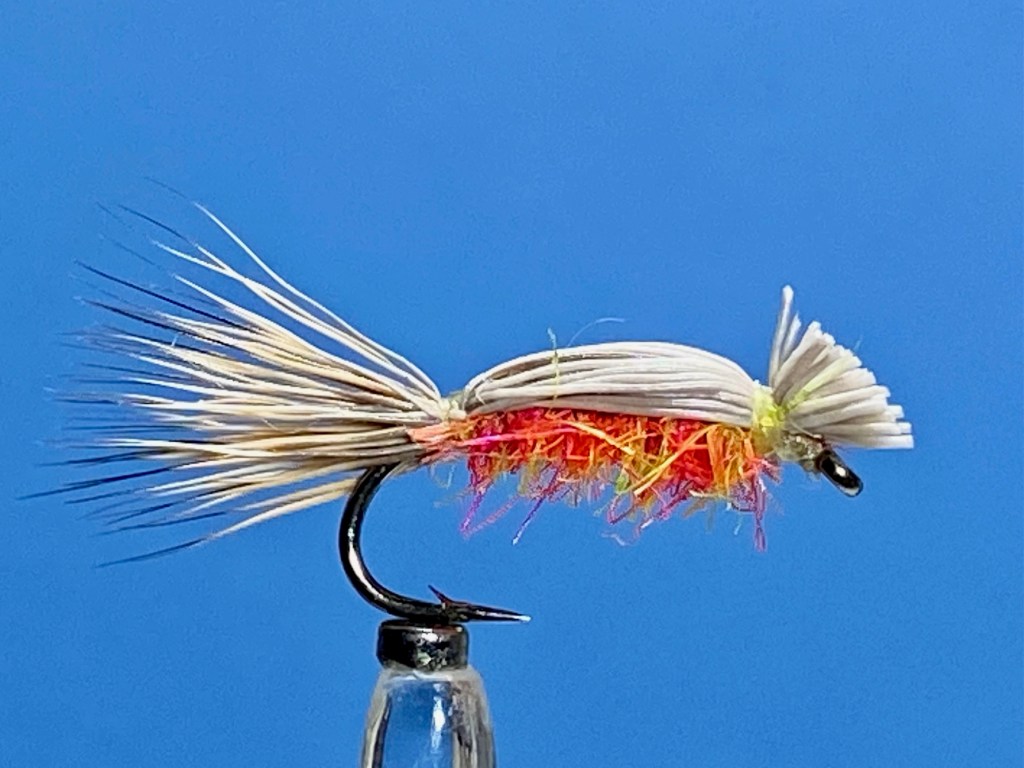
The Cooper Bug, (Emerger), (Jack Cooper)
Hook: Kamasan B170, sizes 14.
Thread: Olive Roman Moser Powersilk, 10/0, or colour to suit body.
Tail, back and head: Cow Elk hair.
Body: Seal’s fur, Orkney peach, or colour to match hatch
Tying Tips: Having gauged the bunch of Elk hair to make a short tail, hold the tail fibres tightly and take a loose turn of thread around the bunch of hair at the tie in point, then make another turn of thread around both the hair and the hook shank and tighten the thread at the desired tie in point. This helps to control the flaring of the hair and allows for the correct positioning of the tail close to the hook bend. When creating the back of the fly, try to keep the hair fibres straight and untwisted. This helps when securing the hair at the head and also gives a much neater finish to the fly. To make the hair shellback more robust, a small amount of thin UV resin can be applied to the hair and cured with a UV torch, if required.

Transitional Midge, (Emerger), (Rene Harrop)
Hook: Fulling Mill Ultimate Dry, #18.
Thread: Semperfli Nanosilk, 50D, Brown.
Tail: Fine grizzle hackle point tip.
Legs: Front half of CDC Oiler Puff.
Back: CDC Oiler Puff.
Body: Dark tan Superfine dubbing.
Tying Tips: Try to use the longest CDC Oiler Puffs that you can find, as this makes the material far easier to manipulate. Originally designed for hooks size 20 and smaller, the fly can still be tied on slightly larger hooks as her on a size 18, however, this invariably means 2 CDC oiler puffs need to be used, One for the front legs and the other for the back and head. Prepare the puffs by stroking all the fibres away from the tip and remove any short fibres. The degree to which the tip of front oiler puff sits in front of the hook eye, determines the length of the legs when the oiler puff tip is removed – the further forward the longer the legs.

The Wood Duck Nymph,
Hook: Kamasan B830 nymph hook, size 16.
Thread: Semperfli Nanosilk, 50D, Brown.
Tail: Wood duck flank feather tip.
Rib: Fine gold wire.
Abdomen: Wood duck flank feather fibres.
Legs: Wood duck flank feather fibres.
Thorax cover: Wood duck flank feather fibres.
Thorax: Natural hare’s mask fur, dubbed.
Tying Tips: Here the UK, Carolina wood duck flank feathers are usually called Lemon Wood Duck feathers, but the same feathers from its Asian cousin, the Mandarin wood duck are almost distinguishable and can also be used for this pattern. When creating the thorax, remember to leave a small space in front of the thorax before the hook eye to allow the legs to be tied back along the side of the fly, prior to the thorax cover being brought forward and tied down.
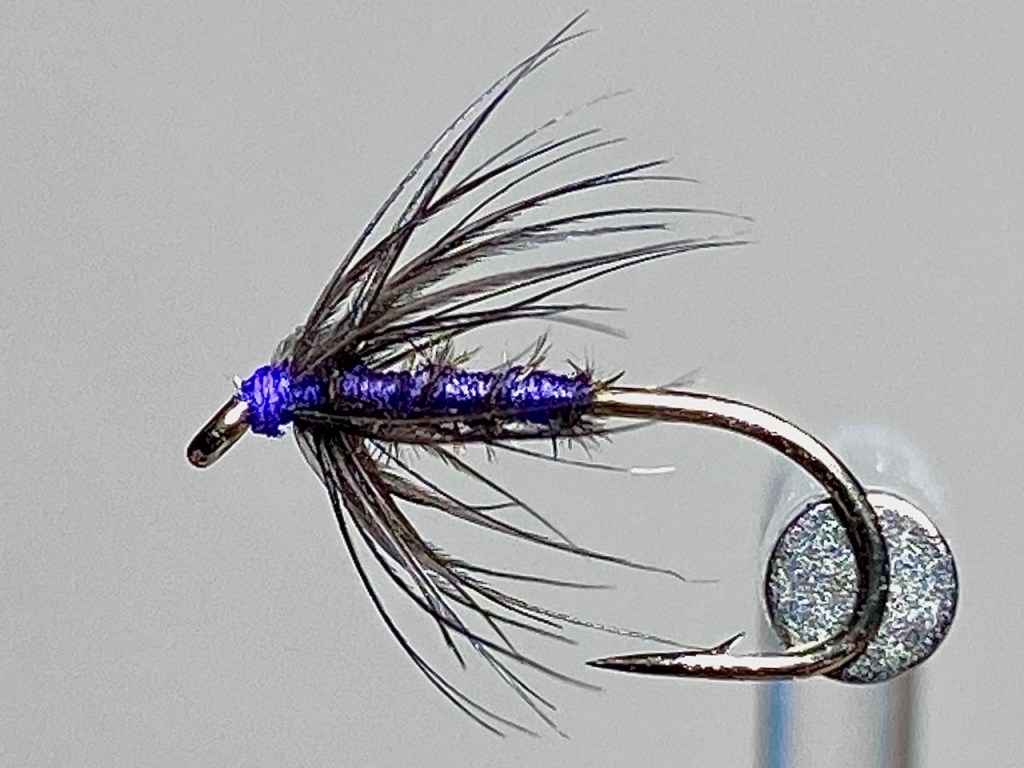
Little Black (T.E.Pritt)
Hook: Kamasan B170, #14.
Thread: Pearsall’s Gossamer Silk, Purple.
Body: Tying thread as above.
Rib: Magpie centre tail fibres.
Hackle: White tipped, dark and shiny, cock starling feather.
Tying Tips: Silk threads are noticeably thicker can degrade over time, so it pays to wax the silk before use. This not only helps to protect the silk, but it also increases the security of the dressing while at the same time, minimises the number of thread turns required. Prepare the starling feather by first removing all basal fibres up to the point where the feather webbing ends, then trap the white tip in hackle pliers and draw back the fibres to isolate the tip. Trim off most of the tip leaving a small triangular stub and tie in the feather by the stub using just two turns of waxed silk. Wind the hackle until all the fibres have been wound and secure the feather by its stalk, using another two turns of waxed silk. Keep the head as small as possible by using no more than a three turn whip finish
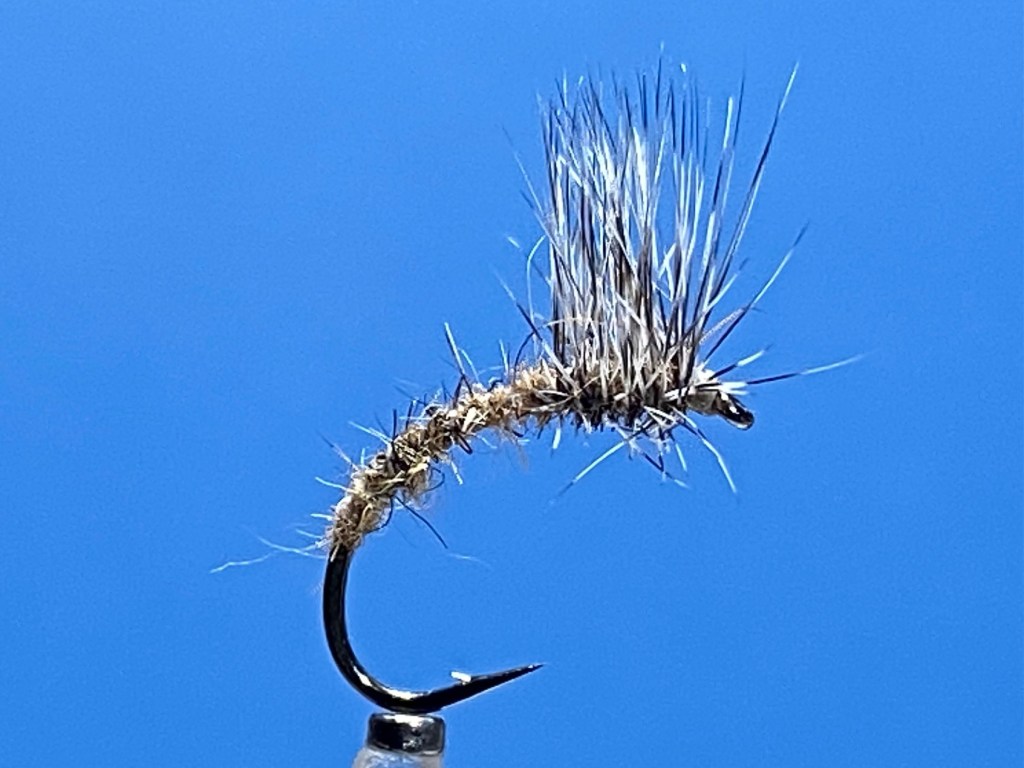
The Dirty Duster Variant, (Emerger), (Bob Wyatt)
Hook: Kamasan B100 lightweight grub hook, size 12.
Thread: Semperfli Nanosilk, 50D, brown.
Hackle: Dirty silver badger or grizzle cock hackle.
Thorax: Hare’s mask, dubbed.
Body: Hare’s mask, lightly dubbed.
Rib: As for tying thread.
Tying Tips: This is an unusual tying as the fly is tied without a thread base on the hook shank and the tying method is as follows: – With the good side of the hackle feather facing upwards and the tip of the feather forward of the eye, secure the thread and the stem of the cock hackle behind the hook eye at the same time. Continue to bind down the hackle stem and thread tag to a point opposite the hook point and remove the waste thread and hackle stalk. Create a thin fur noodle by lightly dubbing the hare fur onto the thread, then wind the fur noodle to the eye and back to the starting position, forming the thorax. Continue to wind the fur noodle down around the hook bend and when the body is complete, spin the thread clockwise to form a round thread. Use the round thread as a rib by winding the thread in open turns, stopping at the thorax. Wind the hackle in close turns from the eye to the end of the thorax where it should meet the thread rib. Wind the thread as a rib through the hackle to the eye. Form a neat head, whip finish and remove the thread. Trim off all hackle fibres below the hook shank to complete the fly.

Mike’s Dry Hawthorn Variant
Hook: Kamasan B160, short shank hook, size 10 or 12.
Thread: Veevus GSP, 50D, black.
Legs: Knotted black pheasant tail fibres.
Body: Strip of 2mm. x 3mm. black foam.
Wing: Tiemco Aero Dry Wing, white.
Thorax: Black seal’s fur, or similar.
Tying Tips: To create the foam body, cut a strip of craft foam 3mm. wide and pinch off one end to create a short taper. Carefully flame the tapered end with a lighter flame, then gently pull the foam to encourage the taper. Tie in the pheasant tail legs first and take the thread slightly forward of the tie in point, before tying in the tapered foam body. This prevents the foam from disturbing the position of the legs. When the wing has been tied in, take the thread to the eye before dubbing it with seal’s fur, then wind on a prominent thorax from the eye back to the wing. Bring the foam over the top of the thorax and tie it down behind the thorax and after whip finishing cut off the excess
foam leaving a small foam stub. For use in difficult conditions, it is worth making the wing more prominent by using more Aero Dry Wing than normal.

The Floating Sparkler Fry (P. Davison)
Hook: Competition Barbless, size 10. (from Flybox)
Thread: Black Veevus GSP, 50D.
Wing and Tail: Holo black and gold Angle Flash, or similar.
Underwing: Golden olive Aero Dry Wing.
Body: 3mm White Plastazote foam cylinder.
Head: Superglue covered with UV resin.
Tying Tips: Although any kind of flash material can be used, the foam body needs to be formed using only Plastazote foam cylinders. High density foam is not pliable enough for the job. Pinch off one end of the cylinder to form a small, tapered point and use this to tie in the cylinder. Coat the thread covered shank with superglue, then wind the foam cylinder up the shank in tight touching turns over the glue. For additional buoyancy, use more Aero Dry Wing. To create the back of the fry, take all the material at the eye and pull it back over the body under slight tension, ensuring an even distribution of flash material on both sides of the shank. Now apply some superglue to the front of the flash material and keep the material under tension until the glue has had time to soak into the fibres and hardened. If required, add a coat of fine UV resin over the glued area and cure with a torch. To finish the fly, create the wing and tail by making an upward sloping cut away from the hook bend.
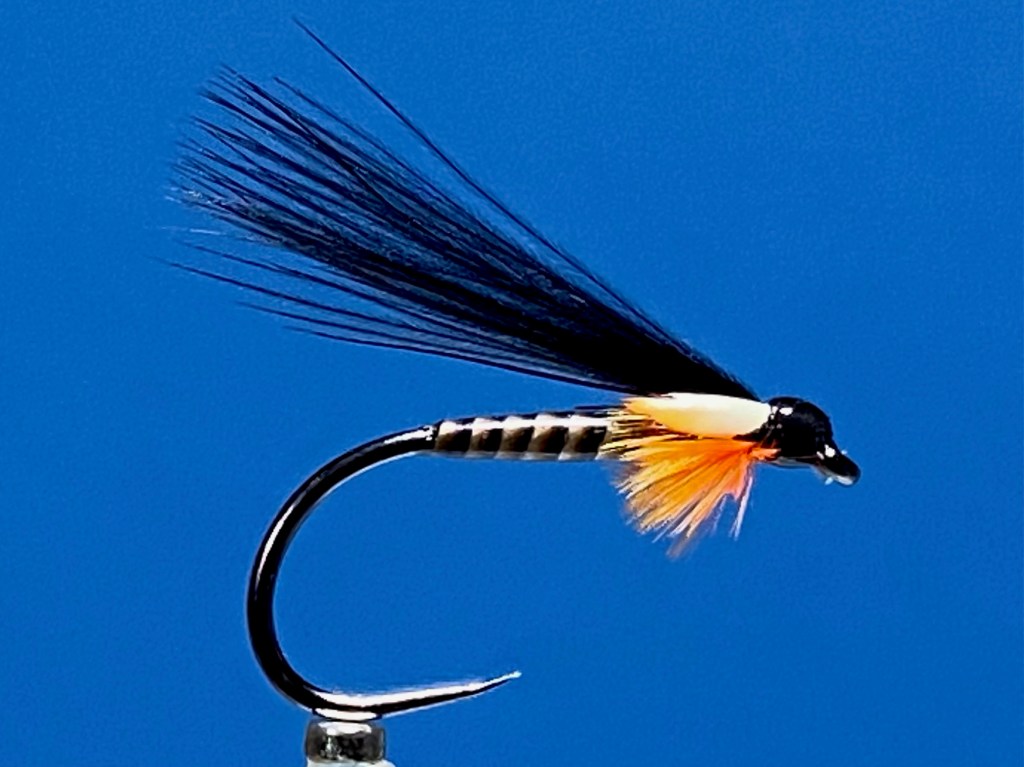
The Quill Cormorant
Hook: Competition Barbless, size 10, from Flybox, or similar.
Thread: Black GSP 50D, or any fine flat thread.
Body: Black thread as above.
Rib: Natural stripped peacock eye quill,
body and rib coated with UV resin and cured.
Thorax: A few strands of fluorescent orange marabou.
Wing: Black marabou tip fibres.
Cheeks: Split Jungle Cock nail.
Tying Tips: A flat thread will help to make a smooth underbody on which to wind the peacock quill. The best marked quills are those that pass through the eye of the peacock eye feather. Use UV resin sparingly and if you can, rotate the vice until the resin is cured. Only 4 or 5 marabou fibres are required for the thorax, and if required they can be wound over a very light dab of superglue for additional security. Carefully stroke the marabou fibres back after each turn. For the wing, simply use the aligned spikey tip fibres of a marabou feather. Goose shoulder fibres make a good alternative. Use goose biots as an alternative to jungle cock.
Oct 22 – Les Lockey – Dressings for NW Branch Demo

The Soft Hackled Streamer (Jack Gartside),
Hook: Tiemco TMC 811S, straight eyed hook, size 8, or any streamer hook, sizes 6 – 2/0.
Thread: UNI 8/0, White.
Tail: 3 strands silver Flashabou, doubled, with 3 strands pearl Krystal Flash over, doubled.
Body: White marabou blood quill feather, wound as a hackle.
Hackle: Grey mallard flank feather.
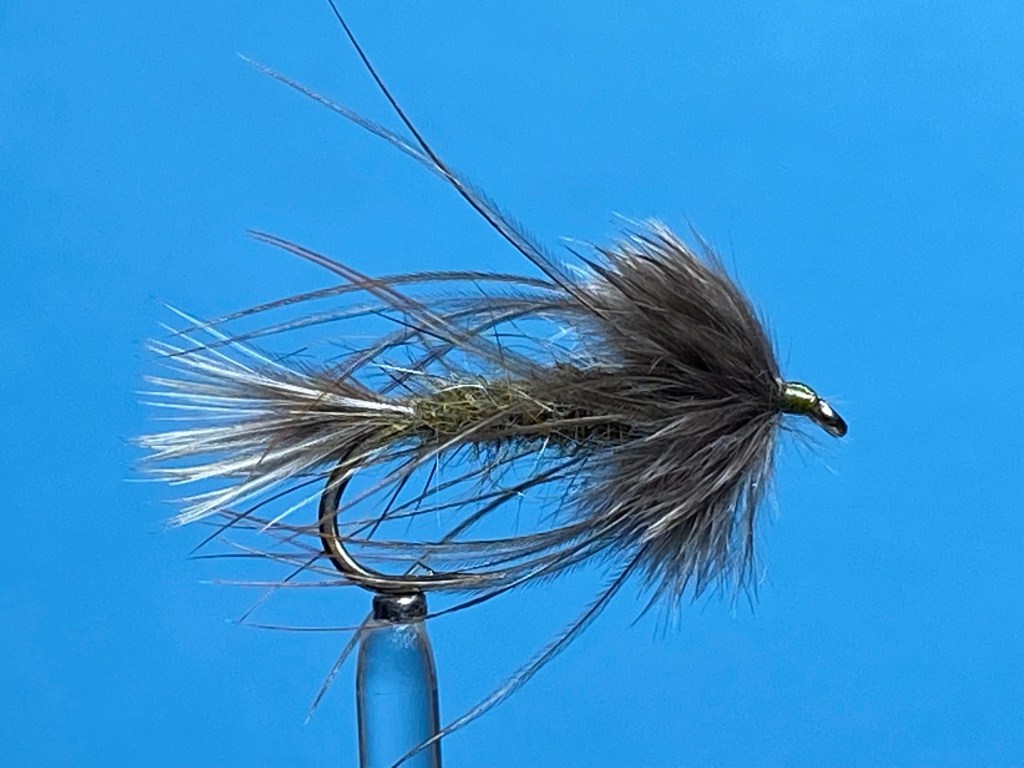
The Sparrow (Jack Gartside)
( Nymph, Streamer, Dry,
Soft Hackled Muddler Minnow),
Hook: Kamasan B830 nymph hook, size 10,
Thread: Olive Roman Moser Powersilk, 10/0.
Tail: Cock pheasant rump marabou feather.
Body: 2 parts Grey squirrel fur, 1 part rabbit fur,
dyed olive, and 1 part olive Antron, mixed.
Collar: Cock pheasant rump feather, sparse,
extending to tip of tail, or beyond.
Hackle: Cock pheasant rump aftershaft or filoplume, wound in front of collar.

The Casual Dress Nymph ( Polly Rosborough)
– from Tying and Fishing The Fuzzy Nymphs.
Hook: Kamasan B830 nymph hook, size 10 – 12.
Thread: Black Veevus GSP, 50D.
Tail: Muskrat guard hairs plus some underfur.
Body: Muskrat underfur, dubbed in a dubbing loop and brushed with Velcro.
Collar: Muskrat body fur with guard hairs, spun in a dubbing loop.
Head: Black Ostrich herl.

The Pine Squirrel Fry, Mini Zonker.
Hook: Kamasan B800, size 10.
Underbody: Fine lead wire.
Thread: Olive Roman Moser Powersilk, 10/0.
Undertail: Pearl Krystal Flash.
Tail, Back and Collar: Olive pine squirrel zonker strip.
Body: Olive Ice Dub, Olive Glister and UV fibres mixed.
Side Flashes: Black Krinkle Mirror Flash.
Eyes: Jungle Cock nails
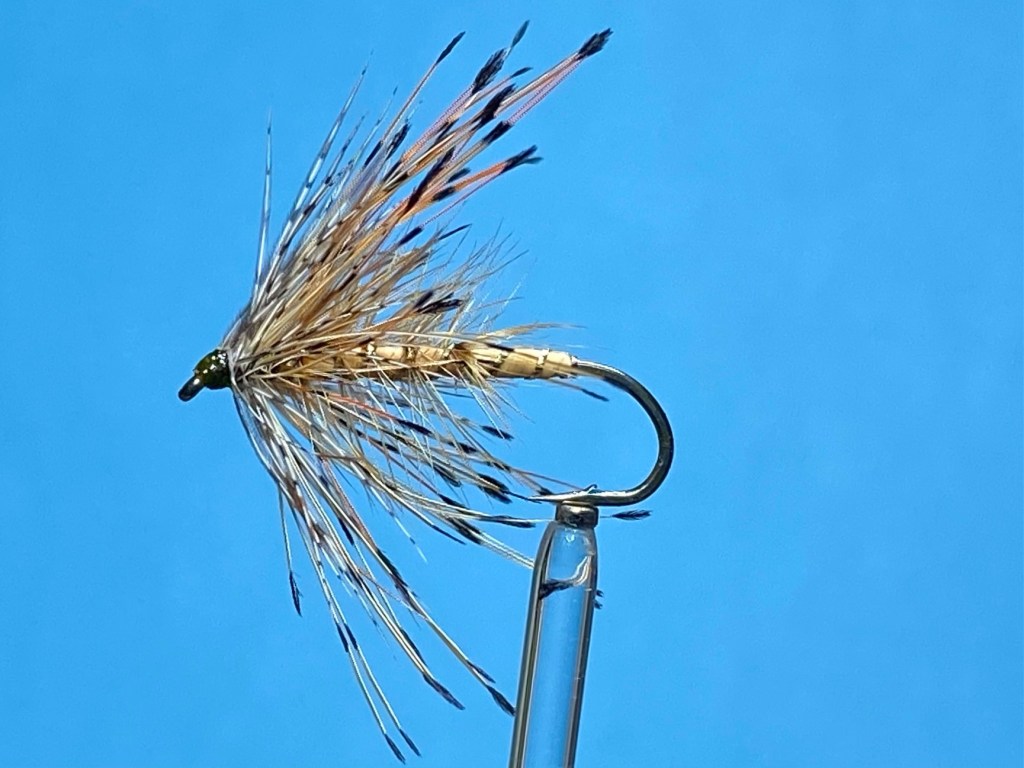
The Wet Daddy (Stan Headley)
Hook: Kamasan B800 lure hook, size 10.
Thread: Brown Semperfli Nanosilk, 50D.
Rib: Small oval gold tinsel.
Body: Natural Raffia.
1st Hackle: Ginger or barred dark ginger cock, tied 2/3rds down body.
2nd Hackle: Golden pheasant tippet feather.
3rd Hackle: Brown partridge shoulder feather.
Nov 21 – Les Lockey – Dressings for NW Branch Demo
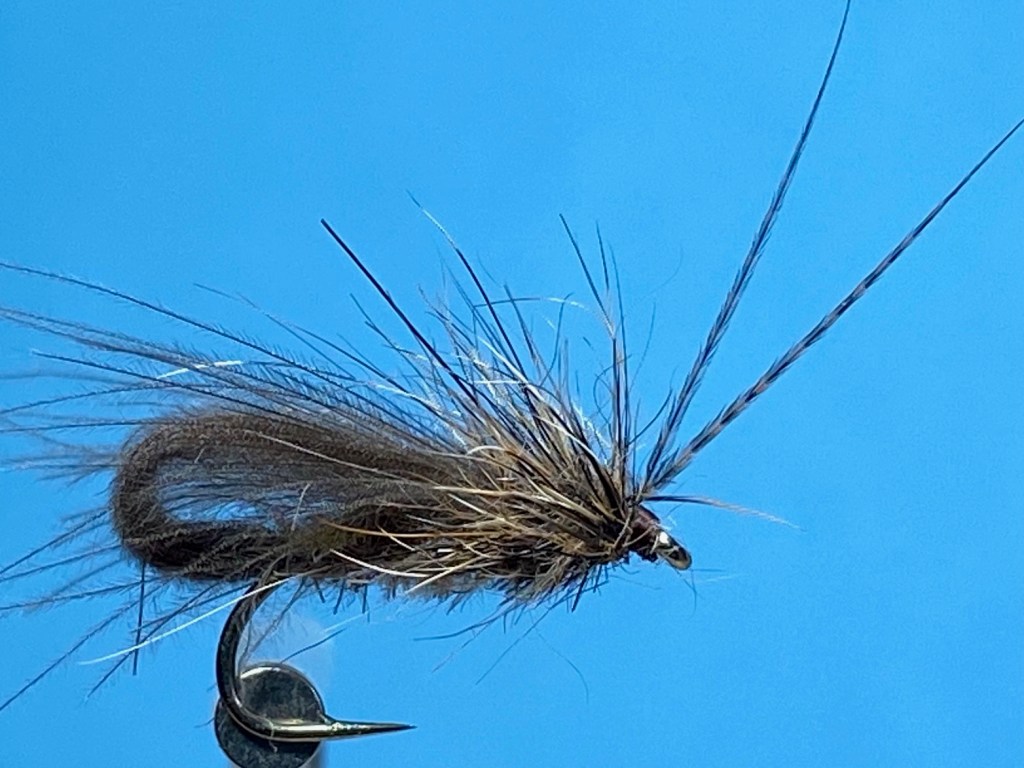
The CDC Bubble Wing Sedge
Hook: Kamasan B170, size 12/14, or similar.
Thread: UTC 70, brown, or any flat brown thread.
Antennae: 2 Bronze Mallard fibres.
Wing/Bubble: 3 medium CDC feathers.
Abdomen: CDC fibres, dubbed.
Thorax: Fox Squirrel fur, spun in a split thread dubbing loop and trimmed below the shank.
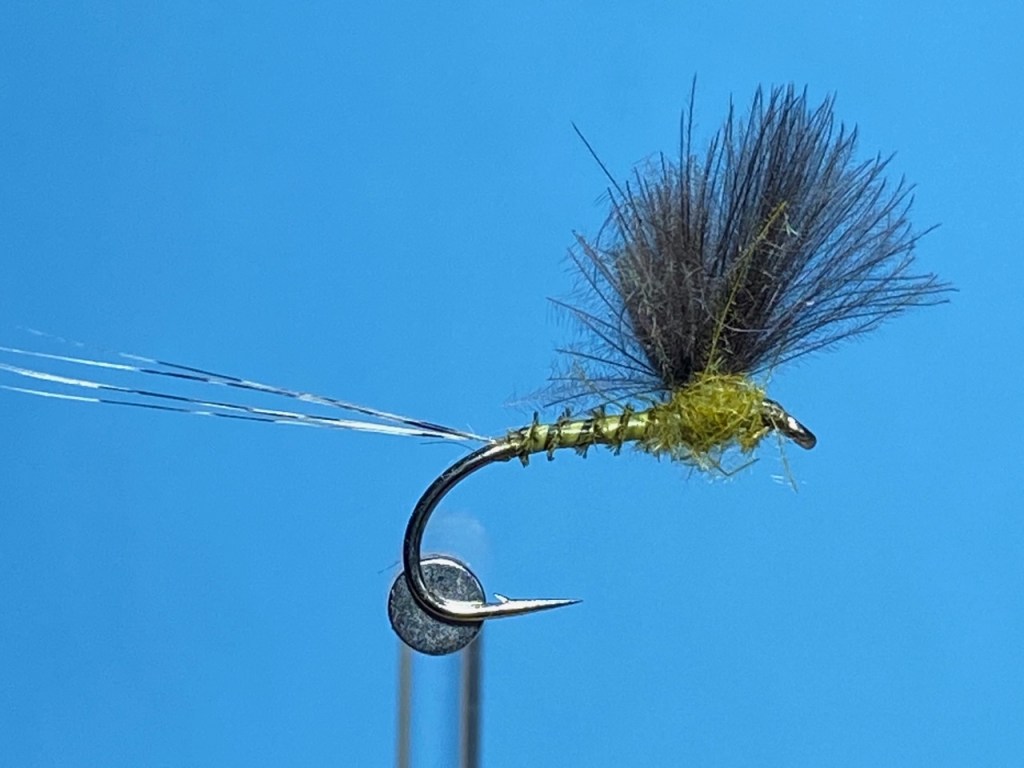
The CDC & Biot Olive Dun
Hook: Kamasan B170, size 12/14, or similar.
Thread: Olive Semperfli Nanosilk, 50D, or any fine olive thread.
Tail: Coq de Leon Fibres.
Body: Dark olive turkey biot.
Wings: 2 CDC feathers.
Thorax: Olive CDC feather fibres, dubbed.

The CDC Hatching Midge
Hook: Varivas 2200 fine curved hook, size 16/18.
Thread: Black Veevus GSP, 50D, or any flat thread to match hatch.
Plume: 3 small CDC feathers, applied individually.
Abdomen: Tying thread.
Thorax: Black Superfine dubbing.
Wing: Single strand of pearl Krinkle Mirror Flash.
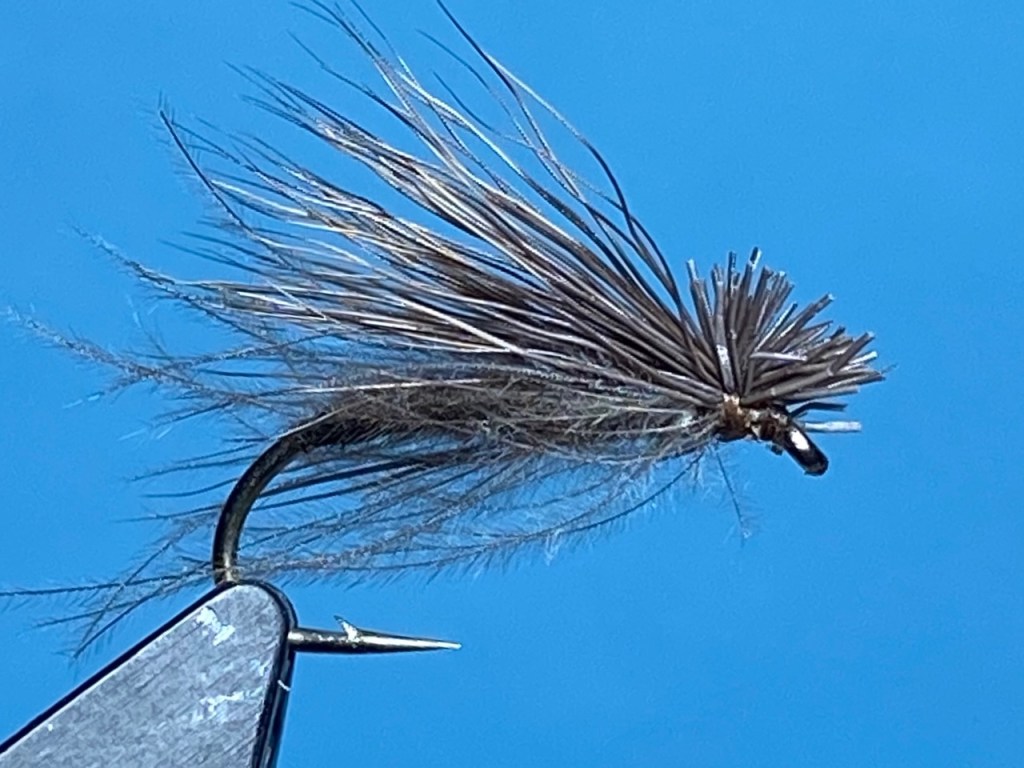
The CDC and Elk
Hook: Competition Medium (Flybox), size 12/14/16, or similar.
Thread: Brown or black Nanosilk, 50D, or any fine thread.
Body: Natural CDC feather, wound flat for the body and like a hackle near the head.
Wing: Comparadun Deer Hair. (tied like an elk hair caddis)

The CDC Olive Nymph
Hook: Kamasan B170, size 10/12, or similar.
Weight: 3.3 Nickel Bead.
Thread: Olive Semperfli Nanosilk, 50D, or any fine thread.
Tail: Brown cock hackle fibres.
Abdomen: Olive CDC feather, twisted and wound.
Thorax: Olive Peacock Dub or similar and olive CDC feather fibres wound in a dubbing loop.

The CDC Olive Dun
Hook: Fulling Mill Ultimate Dry, size 14/16, or similar.
Thread: Brown Semperfli Nanosilk, 50D, or any fine brown thread.
Wings: 4 small CDC feathers.
Tail: Coq de Leon Fibres.
Thorax Cover: Thin strip of green or brown foam.
Abdomen & Thorax: Single olive or olive dun CDC feather, wound flat.
 North West Fly Dressers' Guild